| Country of origin: | Mali |
| Registries: | AKC FSS, UKC |
| Occupation: | Guardian |
| Size: | 23.5 to 29 in tall; 35 to 55 lbs |
| Longevity: | 10 to 14 years |
| Exercise: | Daily run |
| Training: | Challenge |
| Grooming: | Easy |

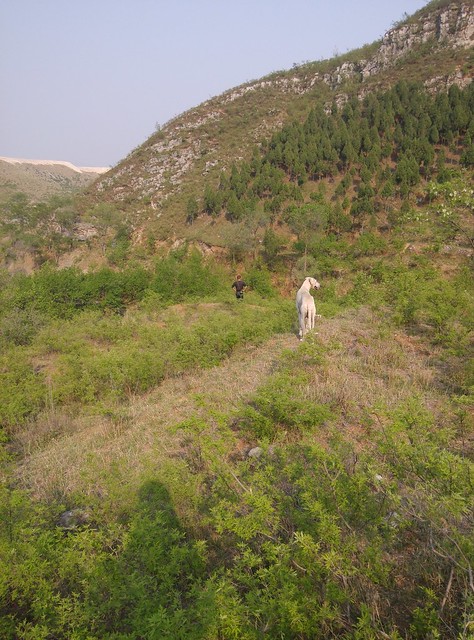


Sometimes called the Tuareg Sloughi, this alert, independent dog was bred in Mali by the Tuareg people of the southern Sahara as a hunter and a guard. Azawakhs can still be found sleeping on the low straw roofs of their owners’s house, and jump down and form packs to see off intruders. This little-seen breed resembles the Sloughi in many ways, not least its turn of speed: it can reach speeds of up to 60km/h (37mph). The two breeds are also similar in their needs for plenty of exercise and a calm household, ideally without young children.
History
The Azakwakh is a breed that originates from African regions. They are sighthounds that were bred by nomads to hunt or be guard dogs. Although these dogs are still not common in Europe or North America, they are starting to get a little more attention.
It is said that these dogs originated from pariahs and come from a basin in Nigeria. They first appeared in Europe in 1970. Ten years later, they made their debut in North America. Although they are still not recognized by the AKC.
Personality
Despite their larger size, they are very loving and affectionate creatures. They form bonds with their owners and are good with kids. They tend to be social and independent which makes for the perfect protector. They thrive to be with dogs of their breed.
These dogs are very gentle creatures so the need to get aggressive is rare. They may become reserve when approached with people or situations that are unfamiliar. Otherwise they are very loving to those they come into contact with.
Traits
The Azawakh has a unique look and aren’t mistaken easily. They have similar qualities to that of a pariah dog. It is said they descended from them as well and they have a sort of feline waltz to their walk. They have a short coat and can be many colors, but most commonly red or fawn.
They have flat backs and their hips are higher than the rest of their body. Their long legs level them out and make them tall. Their eyes are shaped like almonds and they are very thin in appearance. In fact their bones are very visible. They weigh 33 to 55 lbs and stand tall at 24 to 29 inches.
Handling
Azawakh dogs should be exercised frequently. They have high energy that can be expended in the form of running. They have a high endurance level and don’t mind the weather. Their short, fine coat helps to protect them. Giving them the opportunity to run around freely will be very effective with their happiness and energy levels.
Their short hair is also an advantage when it comes to grooming. They do not need to be groomed excessively due to their short hair. The undercoat on their belly is a smooth patch without hair.
These dogs should be socialized from the start and so that they will get along with other animals and children. They are already social creatures so the groundwork is already provided. They will be great canines if proper training is executed.
They do well in packs with other dogs like them though. Their memories allow them to remember other dogs. Typically the dogs work together and are there for each other.
Health
Fortunately, Azawakh dogs aren’t known for many health problems. They are an all around healthy breed without even much of a presence of hip dysplasia like most other dogs. If they do happen to suffer from an injury or mishap while coursing, they are known for healing very quickly.