Neapolitan Mastiff

Country of origin: Italy
Registries: AKC, UKC, CKC
Occupation: Guardian
Size: 26 to 29 in tall; 140 to
170 lbs
Longevity: 8 to 10 years
Exercise: Low activity level
Training: Challenge; needs
socialization
Grooming: Easy
Colors: Black, brown, brindle, blue, grey

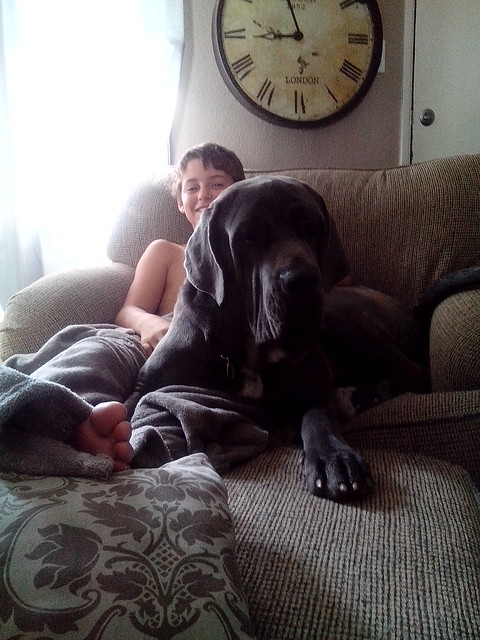
With a massive skull and copious, pendulous skin around the neck and withers, this unique-looking breed probably descends from Roman warrior and fighting dogs. Dogs of this great size and shape have certainly been present in the Campania region of Italy for over 2,000 years, although its numbers declined to dangerously low levels in the mid-1900s. An inveterate saliva dribbler and a curiously messy eater, the Neapolitan Mastiff is also rather stubborn and needs early socializing if it is to be a good, wellrounded family companion.

Advertisement

spot_img

Popular Questions

Can Dogs Eat Grass? Understanding the Safety and Reasons

As dog owners, we often find ourselves pondering our furry friends' peculiar behaviors. One such behavior is grass eating. Can dogs eat grass? Is...

Why Does My Dog Have Bad Breath? Understanding Halitosis

Bad breath, also known as halitosis, is a common issue among dogs. While it may seem like a minor concern, persistent bad breath in...

What is a Hotspot on a Dog? A Comprehensive Guide to Canine Hotspots

As dog owners, our primary concern is always the well-being of our furry companions. One common health issue that many dogs face is the...

Are Dogs Allergic to Gluten? A Comprehensive Look into Canine Nutrition

The gluten-free trend has become increasingly popular among humans as more people are diagnosed with gluten sensitivities or celiac disease. However, pet owners may...

Canine Distemper in dogs – Symptoms, Treatment, Prevention

If you are a dog owner, canine distemper should be one of your greatest fears. Canine distemper is a viral disease, which is contagious...

Bloat (gastric torsion) in Dogs – Symptoms, Treatment, Prevention

Bloat, also referred to as gastric dilation volvulus (GDV) and gastric torsion, is a condition in which a dog’s stomach becomes distended, twists, or...

Hypothyroidism in Dogs

If your dog seems sluggish, has gained weight, and doesn’t seem interested in being active, he or she may have an underactive thyroid. The thyroid...

Developmental Growth Disorders in Puppies

If your puppy is of a large or giant breed (those breeds that would weigh 55 pounds or more when fully grown), you should...

Cancer in Dogs: Types, Symptoms, and Treatment Options

Cancer is a disease that affects not only humans but also our beloved canine companions. It is the leading cause of death in dogs...

Skin Infections in Dogs: Types, Causes, Symptoms, and Treatments

Skin infections in dogs are a common and often frustrating issue for both pets and their owners. These infections can be caused by various...

Eye Problems in Dogs: Causes, Symptoms, and Treatment Options

Eye problems in dogs are relatively common and can range from mild to severe. As a responsible dog owner, it is crucial to be...

Allergies in Dogs: Causes, Symptoms, and Treatments

Allergies are a common issue affecting many dogs, causing a range of symptoms that can impact their quality of life. In this comprehensive guide,...

Cushing’s Disease in Dogs

Hyperadrenocorticism, also know as Cushing’s disease, is a disease that can be very tricky to diagnose at first since it mainly occurs in older...
Previous article
Next article