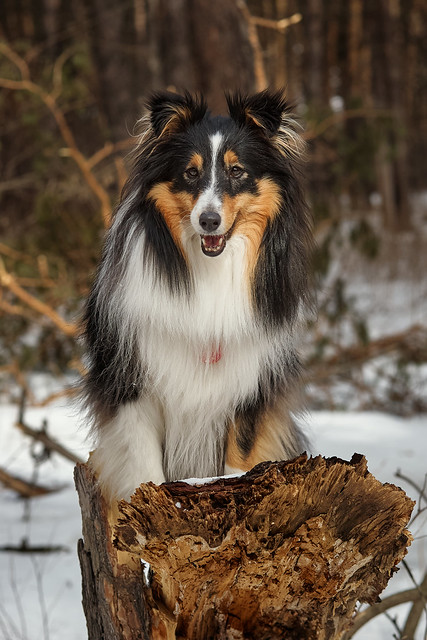
Shetland Sheepdog

Shetland Sheepdog

Country of origin: United Kingdom (Scotland)
Registries: AKC, UKC, CKC
Occupation: Herder, companion,
performance sports
Size: 6–7kg (13–15lb),
35–37cm (14–15in)
Longevity: 14 to 16 years
Exercise: Active; more is better
Training: Easy; hard to keep
challenged
Grooming: Lots of brushing
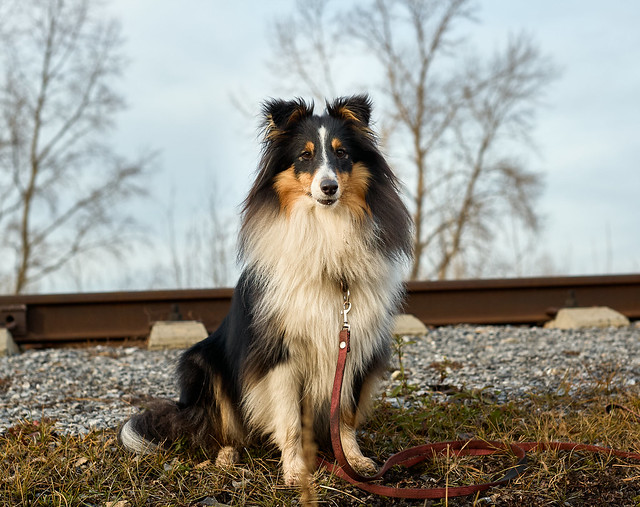
Colors: Tricolour, diverse bicolours,
and blue merle

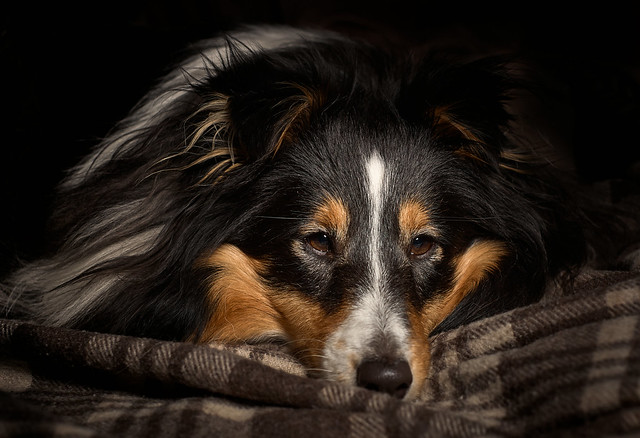
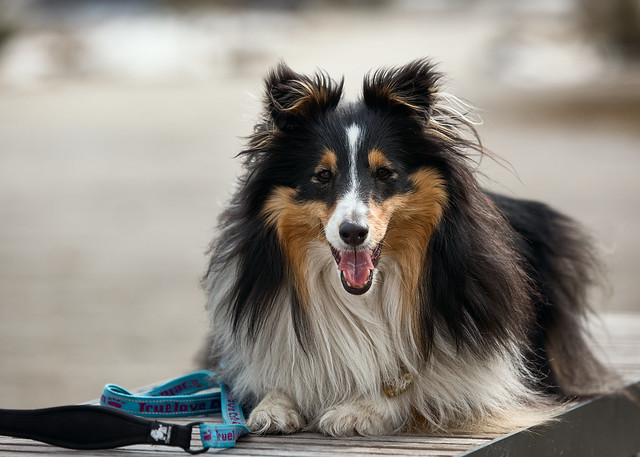
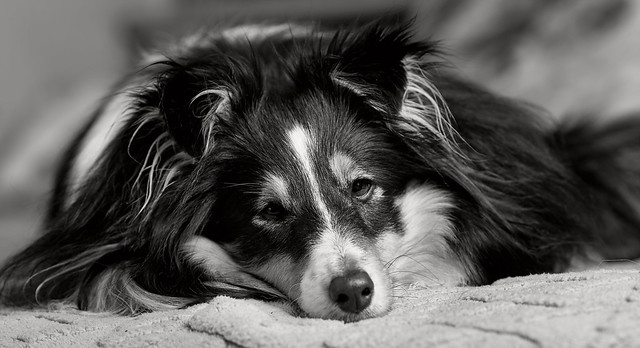
The Shetland Sheepdog is a highly trainable, affectionate dog that thrives on, and is superb at, agility, obedience, Flyball, or just showing off in competition. Its ancestral home is on the remote Shetland Islands in the North Sea. Traders, visitors, and settlers to these islands brought with them a variety of dogs including Scottish Rough Collies, the Sheltie’s main ancestors, and spaniel and spitz-type breeds. Shelties are, in essence, perfectly miniaturized Rough Collies and retain the working abilities of their ancestors. While they can be both timid and wary of strangers if not socialized properly as pups, Shelties are natural watchdogs and, when given the opportunity, equally natural sheep herders. Miniaturization has brought with it an increased risk of legbone fractures. Two hereditary conditions, collie eye anomaly (CEA) and progressive retinal atrophy (PRA), are potential problems. Its dense, rough coat needs routine brushing, but like the Cavalier King Charles Spaniel (see pp.84–85), the Sheltie is an ideal dog for both young families and older, more sedentary households.

Advertisement

spot_img

Popular Questions

Can Dogs Eat Grass? Understanding the Safety and Reasons

As dog owners, we often find ourselves pondering our furry friends' peculiar behaviors. One such behavior is grass eating. Can dogs eat grass? Is...

Why Does My Dog Have Bad Breath? Understanding Halitosis

Bad breath, also known as halitosis, is a common issue among dogs. While it may seem like a minor concern, persistent bad breath in...

What is a Hotspot on a Dog? A Comprehensive Guide to Canine Hotspots

As dog owners, our primary concern is always the well-being of our furry companions. One common health issue that many dogs face is the...

Are Dogs Allergic to Gluten? A Comprehensive Look into Canine Nutrition

The gluten-free trend has become increasingly popular among humans as more people are diagnosed with gluten sensitivities or celiac disease. However, pet owners may...

Canine Distemper in dogs – Symptoms, Treatment, Prevention

If you are a dog owner, canine distemper should be one of your greatest fears. Canine distemper is a viral disease, which is contagious...

Stomach Bloating in Dogs: Causes, Symptoms, & Treatment

Stomach bloating in dogs is a common issue that can cause discomfort and, in some cases, pose serious health risks. In this article, we...

Allergies in Dogs: Causes, Symptoms, and Treatments

Allergies are a common issue affecting many dogs, causing a range of symptoms that can impact their quality of life. In this comprehensive guide,...

Hypothyroidism in Dogs

If your dog seems sluggish, has gained weight, and doesn’t seem interested in being active, he or she may have an underactive thyroid. The thyroid...

Cushing’s Disease in Dogs

Hyperadrenocorticism, also know as Cushing’s disease, is a disease that can be very tricky to diagnose at first since it mainly occurs in older...

Diabetes in Dogs

Diabetes is a common disease in humans and is common enough in dogs too, so much so that about 1 in 500 dogs suffer...

Hip Dysplasia in Dogs: Causes, Symptoms, and Treatment Options

Hip dysplasia is a common skeletal condition affecting dogs, especially large and giant breeds. It occurs when the hip joint doesn't develop properly, resulting...

Fever in dogs

Fever also known as pyrexia is defined as a higher than a normal body temperature. This normal body temperature is common to all animals...

Developmental Growth Disorders in Puppies

If your puppy is of a large or giant breed (those breeds that would weigh 55 pounds or more when fully grown), you should...
Previous article
Next article