Not only are ticks a nuisance, they can also pose a threat to both your dog’s and your family’s health. For this reason, it’s important that owners are aware of the health risks associated with the parasites and how an infestation can be treated/prevented.
What are ticks?
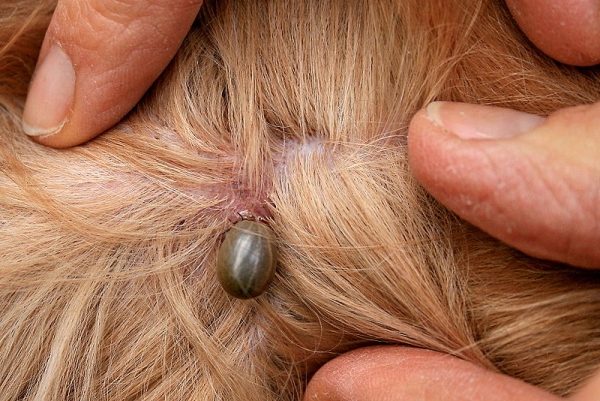
Ticks are small parasites that survive by feeding on blood from dogs and other mammals. They are found in areas with wood and an abundance of grass, where they wait until the opportunity to get their next meal arises. Once a tick detects heat from a host, it climbs onto a surrounding structure (tree, wall, etc.) and drops onto the dog. Depending on the type, ticks last anywhere from a few hours to several days feeding. Besides providing them with the nutrients they need to live, feeding is also required in order for the tick to go through the four stages of development (egg, larva, nymph, and adult). Ticks can live for years and produce thousands of eggs in a lifetime.
There are two main types of dog ticks; ixotid (hard outer shell) and argasid (soft shell). Some of the most common tick species seen in dogs include;
- Deer Tick
- Wood Tick
- Brown Dog Tick
- Black-legged Tick
- Marsh Tick
- Spinous Ear Tick
- Lone Star Tick
- American Dog Tick
Health Problems & Diseases Caused by Ticks
Ticks can cause a number of health problems and transmit serious diseases both in dogs and humans.
- Anemia – although it’s uncommon for ticks to cause anemia in dogs, it is possible. All it takes is a heavy tick infestation that causes a significant amount of blood loss.
- Tick Paralysis – some tick species (Deer tick, Lone Star tick, Wood tick, etc.) contain toxins in their saliva that can cause paralysis in dogs and less commonly, in humans. Symptoms usually manifest a couple of days after the bite incidence and include; rear leg weakness, respiratory issues, and total paralysis.
- Anaplasmosis – this condition can cause flu-like symptoms (fever, lethargy, diarrhea, vomiting), as well as more serious signs of illness such as coordination issues, joint inflammation, and paralysis. It affects both dogs and humans.
- Babesiosis – serious disease caused by the protozoan Babesia in dogs. Symptoms of the condition include; fever, brown/dark colored urine, lethargy, decreased appetite, and yellowing of the skin. This specific strain of Babesiosis only affects canines.
- Borreliosis (Lyme disease) – infection caused by the bacteria Borrelia. It causes flu-like symptoms in its early stages, and then progresses to more serious signs of disease such as; joint pain, paralysis, and damage to vital organs. There is a vaccine available for dogs against Lyme disease, but it’s not considered 100% effective. Lyme disease affects both humans and dogs.
- Ehrlichiosis – unlike most bacterial infections, it can actually take years for this condition to manifest. Initially, dogs only experience mild symptoms such as lethargy and decreased appetite, followed by more serious complications including; nose bleed, joint inflammation, trouble breathing, and bloody urine/stools. It is a life-threatening condition that can affect both canines and humans.
Other diseases commonly transmitted by ticks include; meningoencephalitis, hepatozoonosis, and Rocky Mountain spotted fever.
When is tick season?
Ticks live in warm and humid environments, which is why infestations are more common in early spring (April) and throughout summer (September/October). However, some tick species have the ability to survive in low temperatures and may feed in the winter, so it’s best to keep your dog protected year round.
Treatment & Prevention
Spot-on or topical solutions are currently the most effective type of treatment/prevention for dogs. They usually last for a month and kill fleas as well depending on the product. Two popular spot-on brands include Frontline Plus and Advantix II. Other options available for treating/preventing a tick infestation in dogs include; sprays, powders, shampoos, and collars. These options are not as effective, as they usually only kill ticks in the adult stage, leaving the eggs and larvae to grow. However, they are more economical and work well for a temporary solution or for immediate relief.
* In order to completely get rid of a tick infestation, it is essential that the yard and the inside of your home is treated as well. There are sprays and powders available specifically for getting rid of ticks in the home.
How to Remove a Tick
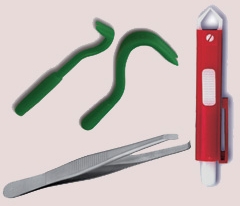
Removing a tick from a dog is not as difficult as most people have been led to believe. The main goal is to remove the tick without slicing it and leaving part of the mouth attached to the dog. In the worst case scenario, the area may become irritated or infected. To minimize the chances of this occurring, gently grasp the tick with tweezers or your fingers (while wearing gloves) and pull straight out or use a removal tool (picture below). Clean the area with a disinfecting solution and end by applying a small amount of triple antibiotic to your dog’s skin. Lastly, destroy the tick or place it in alcohol before discarding it in the trash to prevent it from reproducing.