Xoloitzcuintli

Country of origin: Mexico
Other Names: Mexican Hairless Dog
Xoloitzcuintle
Xoloitzquintle
Xoloescuincle
Registries: AKC FSS, UKC, CKC
Breed Group: AKC: Non-Sporting Group,
FCI: Group 5 Section 6 #234
Occupation: Companion
Size: Mini:10 to 15 in tall
Intermediate:15 to 20 in tall
Standard: 20 to 25 in tall
Longevity: 13 to 15 years
Exercise: Moderate
Training: Moderate
Grooming: Easy
Colors: Range of colours from black to golden,
usually solid

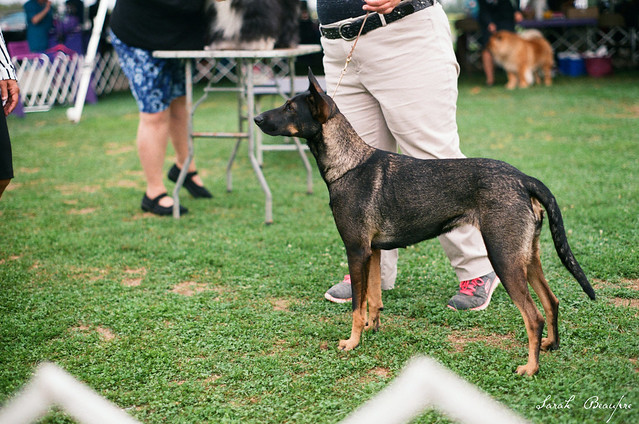
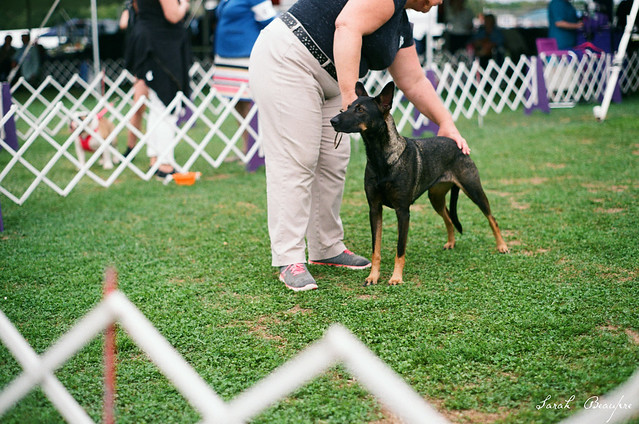
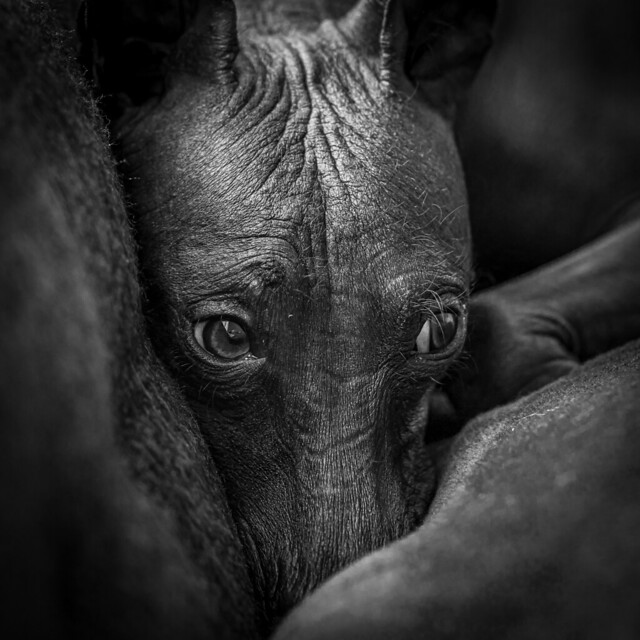
Hairless dogs were known in Mexico before the Spanish Conquest, and valued for the warmth they provided; it was even claimed that contact with them would produce healing effects. The Mexican Hairless, also called the Xoloitzcuintli or Tepeizeuintli, is bred in three sizes, the Standard and the smaller Miniature and Toy versions. The Standard resembles a classic sight hound in build, with a long neck and limbs. An alert dog, it has an affectionate personality, but can be stubborn, with a tendency to be suspicious of strangers. As with all hairless breeds, the skin needs moisturizing and protection against cold and sun.

Advertisement

spot_img

Popular Questions

Can Dogs Eat Grass? Understanding the Safety and Reasons

As dog owners, we often find ourselves pondering our furry friends' peculiar behaviors. One such behavior is grass eating. Can dogs eat grass? Is...

Why Does My Dog Have Bad Breath? Understanding Halitosis

Bad breath, also known as halitosis, is a common issue among dogs. While it may seem like a minor concern, persistent bad breath in...

What is a Hotspot on a Dog? A Comprehensive Guide to Canine Hotspots

As dog owners, our primary concern is always the well-being of our furry companions. One common health issue that many dogs face is the...

Are Dogs Allergic to Gluten? A Comprehensive Look into Canine Nutrition

The gluten-free trend has become increasingly popular among humans as more people are diagnosed with gluten sensitivities or celiac disease. However, pet owners may...

Cushing’s Disease in Dogs

Hyperadrenocorticism, also know as Cushing’s disease, is a disease that can be very tricky to diagnose at first since it mainly occurs in older...

Cataracts in Dogs

Cataracts in dogs are characterized by a cloudiness that forms in a clear sac that contains the lens of the dog’s eye. If cataracts...

Diabetes in Dogs

Diabetes is a common disease in humans and is common enough in dogs too, so much so that about 1 in 500 dogs suffer...

Kennel Cough in Dogs

Canine infectious tracheobronchitis or kennel cough as it is commonly known is not a serious condition which requires an immediate visit to the vet....

Hypothyroidism in Dogs

If your dog seems sluggish, has gained weight, and doesn’t seem interested in being active, he or she may have an underactive thyroid. The thyroid...

Brachycephalic Breeds

Brachycephalic dogs are those affected by brachycephalic respiratory syndrome. In Greek, “brachy” means “shortened” and “cephalic” means “head”. The shortened head of a dog...

Patellar Luxation in Dogs: Causes, Symptoms, and Treatment Options

Patellar luxation, also known as a dislocated kneecap, is a common orthopedic issue in dogs. This condition can cause discomfort, lameness, and may even...

Hair loss in dogs

Alopecia or hair loss is common to dogs and may vary from partial to complete hair loss. It may occur gradually or may happen...

Cancer in Dogs: Types, Symptoms, and Treatment Options

Cancer is a disease that affects not only humans but also our beloved canine companions. It is the leading cause of death in dogs...