| Country of origin: | Belgium |
| Registries: | AKC, UKC, CKC |
| Occupation: | Herder |
| Size: | 22 to 26 in tall; 40 to 80 lbs |
| Longevity: | 12 to 14 years |
| Exercise: | Vigorous daily exercise |
| Training: | Easy; needs to work |
| Grooming: | Easy |
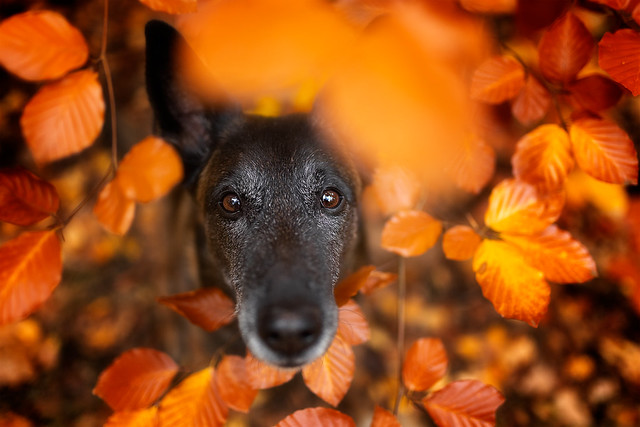


Classifying the Belgian Shepherds is not easy because national kennel clubs cannot agree on how to name them. In 1891, Professor Adolphe Reul, of the Belgian School of Veterinary Science, conducted a field study of all the existing sheepdogs in Belgium. Eventually, four different breeds came to be recognized nationally. In many countries, these are classified as varieties of one breed, namely the Belgian Shepherd. In the United States, however, the Groenendael is the Belgian Shepherd, while the Malinois and Tervueren are recognized separately, and the Laekenois not at all. These dogs are all similar in type, differing only in terms of their coloration and coat length. Not naturally aggressive, the Belgian Shepherds are excellent family companions, although they can be wary of strangers and timid. From the Malines region of Belgium, the Malinois is one of the least common of the Belgian shepherds. It is, however, the first to have a written breed standard, and the closest in conformation to the German Shepherd Dog and the Smoothhaired Dutch Shepherd (see pp.186–189 and p.191). The Malinois is both a highly successful scent detector and police dog.
History
The Belgian Malinois dog breed is one working dog of four breeds that originated in Malines, Belgium. Each breed had their own distinctive qualities that split them up into their own breed. Just as with the other three breeds, a vet who acquired some of these dogs toward the end of the 1800s. Once he did, he ordered breeding to be done with those with similar coat types. Shortly after, a standard emerged.
The Belgian Malinois was recognized by the AKC in 1959. Since then, they’ve been serving many important duties such as the protector of the White House and police dogs. They serve great duties and are often most satisfied when assigned a task. Their duties are to protect and serve.

The Malinois is a hardworking dog with a high energy level. They are intelligent and confident as well as extra protective. These attributes alone make for a great work dog. They are not aggressive but are reserved with people they’ve never met before. They are very alert and dutiful.
Malinois dogs have served as Secret Service’s very own guard dogs of the White House. They’ve also carried out tasks within the military and the police work. Most admirable, these dogs assist in search and rescue teams seek out odors that could be harmful. They use their noses to seek certain odors that indicate narcotics or explosives are nearby.
Traits
One could point out how square the body of the Malinois. Their hefty, muscled body acts as protection for their working conditions. They carry their head proudly and stand strong at 22 to 26 inches. These large Mals weigh 44 to 66 lbs, with females being slightly smaller.
These dogs have a coat of fur that ranges from a mahogany color to a fawn color. They can be a few shades of red in between, with typically five colors total. They can have black markings as they have midnight-colored faces and ears. These features match their dark brown eyes.
Handling
As mentioned previously, the Malinois breed is best kept happy and exercised. They need to run around to expend their high energy and stimulate their doggy brains. Training is very possible with these dogs as they can take on many positions. In fact, they would prefer to work than be bored and lonely. Any dog would but these dogs especially need exercise lead by their master or trainer.
The Mal coat is short but will still need to be brushed regularly. During large sheds, brushings are mandatory to remove loose hair. Special brushes can be available to ease the duty of removing dead hair and avoiding hair on everything you own. Nails, ears, and fur should be regularly checked for issues and groomed neatly.
Health
The Mal is another generally healthy breed. They can live up to 16 years with proper care and veterinary visits. They will obviously be susceptible to common dog issues such as hip dysplasia. The Belgian Malinois specifically can suffer from epilepsy, cataracts and thyroid issues, but they aren’t doomed to these health problems. A lot of loving and exercise can sure go a long way with these curious but dutiful canines.