American Pit Bull Terrier

Country of origin: USA
Registries: UKC, ARBA
Occupation: Guardian, companion
Size: 18 to 22 in tall; 35 to
60 lbs
Longevity: 11 to 13 years
Exercise: Moderate
Training: Easy; hard to keep
focused
Grooming: Easy

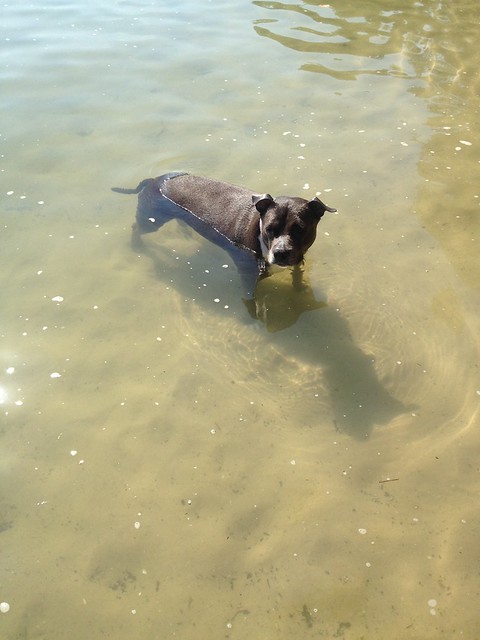
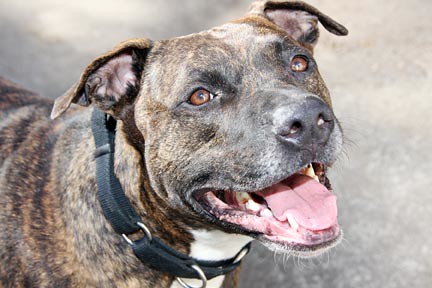
The black sheep of the bull terrier family, the American Pit Bull is subject to more laws than perhaps any other breed. In the 19th century, some bull terrier lines in the United States were developed into the American Staffordshire, others into the American Pit Bull. Even today, it is possible for individuals listed as one breed with one registry to be listed as the other with another registry. Pit Bulls are victims of their reputation: famed as fighting dogs, they have too often been bought by those eager to project a macho image, who give little or no time to the dog’s care and socialization. With proper discipline from puppyhood, most members of this breed are people-oriented companions, with the usual caveat that they will attack other dogs without apparent provocation. The American Temperament Test Society (www.atts.org) finds few differences between temperament scores of American Pit Bulls and Staffordshires.

Advertisement

spot_img

Popular Questions

Can Dogs Eat Grass? Understanding the Safety and Reasons

As dog owners, we often find ourselves pondering our furry friends' peculiar behaviors. One such behavior is grass eating. Can dogs eat grass? Is...

Why Does My Dog Have Bad Breath? Understanding Halitosis

Bad breath, also known as halitosis, is a common issue among dogs. While it may seem like a minor concern, persistent bad breath in...

What is a Hotspot on a Dog? A Comprehensive Guide to Canine Hotspots

As dog owners, our primary concern is always the well-being of our furry companions. One common health issue that many dogs face is the...

Are Dogs Allergic to Gluten? A Comprehensive Look into Canine Nutrition

The gluten-free trend has become increasingly popular among humans as more people are diagnosed with gluten sensitivities or celiac disease. However, pet owners may...

Hair loss in dogs

Alopecia or hair loss is common to dogs and may vary from partial to complete hair loss. It may occur gradually or may happen...

Allergies in Dogs: Causes, Symptoms, and Treatments

Allergies are a common issue affecting many dogs, causing a range of symptoms that can impact their quality of life. In this comprehensive guide,...

Rabies in dogs

Rabies is one of the most dreaded diseases encountered by a pet owner and with good reason. It is a mostly fatal viral...

Canine Distemper in dogs – Symptoms, Treatment, Prevention

If you are a dog owner, canine distemper should be one of your greatest fears. Canine distemper is a viral disease, which is contagious...

Bloat (gastric torsion) in Dogs – Symptoms, Treatment, Prevention

Bloat, also referred to as gastric dilation volvulus (GDV) and gastric torsion, is a condition in which a dog’s stomach becomes distended, twists, or...

Cushing’s Disease in Dogs

Hyperadrenocorticism, also know as Cushing’s disease, is a disease that can be very tricky to diagnose at first since it mainly occurs in older...

Developmental Growth Disorders in Puppies

If your puppy is of a large or giant breed (those breeds that would weigh 55 pounds or more when fully grown), you should...

Elbow Dysplasia in Dogs: Diagnosing & Treating Joint Disorder

Elbow dysplasia is a common orthopedic condition affecting dogs, particularly large breeds. It can lead to chronic pain, decreased mobility, and a reduced quality...

Eye Problems in Dogs: Causes, Symptoms, and Treatment Options

Eye problems in dogs are relatively common and can range from mild to severe. As a responsible dog owner, it is crucial to be...