| Country of origin: | Australia |
| Registries: | CKC, UKC |
| Occupation: | Versatile ranch dog |
| Size: | 17 to 20 in tall; 25 to 50 lbs |
| Longevity: | 12 to 14 years |
| Exercise: | Vigorous daily exercise |
| Training: | Easy; hard to keep busy |
| Grooming: | Easy |


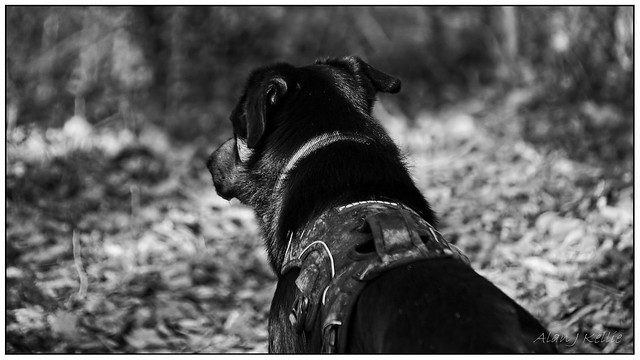


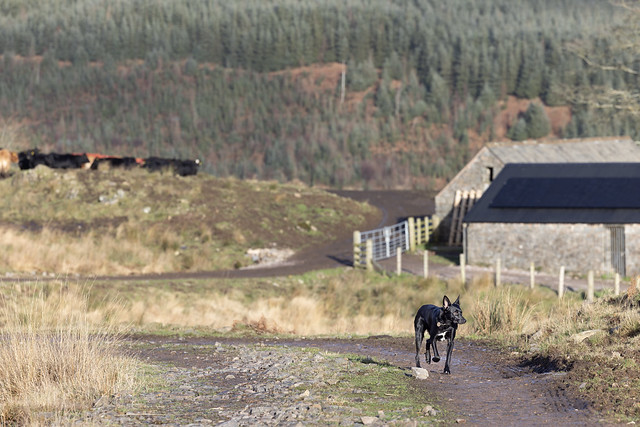

Known since 1870, this is Australia’s most popular working breed – over 100,000 of these livestock dogs exist there. The breed was created after collies from the north of England were taken to Australia in the 19th century. Mating then took place with a black-and-tan bitch, Kelpie, the name of the benign water spirit in Robert Louis Stevenson’s Kidnapped. In spite of very good records of the breed’s origins, legends persist that it carries Dingo blood, perhaps because of its ability to work in the sun from dawn to dusk. Often called a “workaholic”, this is a breed of seemingly inexhaustible energy and enthusiasm that disregards extremes of both heat and cold, and is not at all suited to a quiet life. Working Kelpies are slightly smaller than their show or “bench” relatives, who are bred more for colour and size than for gathering mobs of sheep. All Kelpies delight in herding everything from cattle to farmyard poultry; if deprived of these, they may round up humans and pets to stave off boredom. Unique among herders, Kelpies will run over the backs of sheep to reach the head of the flock.
History
The Australian Kelpie is a sheep dog who got its start in Australia. The breed is now exported all throughout the world. Wherever they end up on the map, they are utilized for working duties. These dogs save copious amounts of time and money for the farm they reside at.
Tracing back to the 19th century, working Collies contributed to what would be the Kelpie of today. These collies were bred with a variety of dogs, including the dingo in Australia. It wasn’t legal to have dingoes as pets so they were registered and classified as Kelpies.
The first official birth of a Kelpie was in 1872. They were said to have gotten their name from Celtic folklore. It was a reference to the myth of a water spirit that had the ability to shapeshift. In 1904, the breed’s first standard was written.
Although to this day, these dogs aren’t recognized by the AKC, they have a large presence in Australia. They are often seen as working dogs or show dogs. In fact, their breed splits into two categories and both have specific qualifications.
Personality
The signature Kelpie personality trait is an obvious pointer to their hardworking nature. They are diligent and have a high endurance level. They persevere through long hours of work and variating climates.
They are also known for independence as it is required to muster and herd their herds. Usually they can fulfil their duties without the guidance of a master.
Although they are typically working dogs with a purpose, with the right training they can be family dogs. With that said, they are great around other children and animals. However they may try to herd the other animals just out of instinct.
Traits
A Kelpie dog is medium in size and considerably athletic. They weigh anywhere from 31 lbs to 44 lbs. Their height can be 16 inches to 20 inches. Their coat can be many colors and the type of their coat can vary as well. Although usually they are very soft.
Since the breed can be split into two (the working dog and the show dog), each one comes with their own acceptable features. They all have prick ears and a muscular body across the board though.
Working Kelpies can be a bit bigger than its competing counterpart. Their coat can be rough, short, or smooth. They are average shedders and have a big shed once every time spring comes around. They can be any color like black, fawn, blue, and black and tan.
Show dogs can still be varying colors but usually only come in solid colors. They usually sport a double coat as well. Even so, these show dogs are very similar to their working friends. Their colors vary but their obedience stays the same.
Handling
Considering the Kelpie was bred primarily for stock working, they require a great deal of exercise. Apartment life probably isn’t the best home for this busy breed. They can be trained to live with a loving family, but will require a lot of space. Their high level of energy means they’ll need that space to run around.
Although they are independent by nature, they are very easy to train. They respond well to the taught signals from their owners. They can also work without the need to have an owner in presence. They have one job and they tend to stay focused on the task at hand.
Kelpies are average shedders. They have shorter hair but some variations have a primary shed in the spring. They need a regular brushing and bath, but no more than any other breed would need.