Barbet

Country of Origin: France
Registries: FCI, AKC, CKC, UKC
Breed Group: FCI: Group 8 Section 3 #105, AKC: FSS, CKC: Group 1 – Sporting, UKC: Gun Dog
Occupation: Retrievers, flushing dogs, water dogs
Size: Height: 52 to 66 cm (20 to 26 inches),     Weight:   17– to 28 kg (37.5 to 61.7 lbs)
Longevity; 13 – 15 Years
Exercise: Need daily exercise
Training: Need a lifelong obedience training
Grooming: Easy. Needs proper ear care.
Colors: Grey, Fawn, Brown, Black, White

The Barbet dog breed exists for a lot of time, and the truth is that many dog breeds have Barbet in their ancestry. These dogs were mainly used as companion dogs and as working dogs. Nevertheless, throughout these years, the name Barbet became a generic name for dogs with curly, long woolly fur.

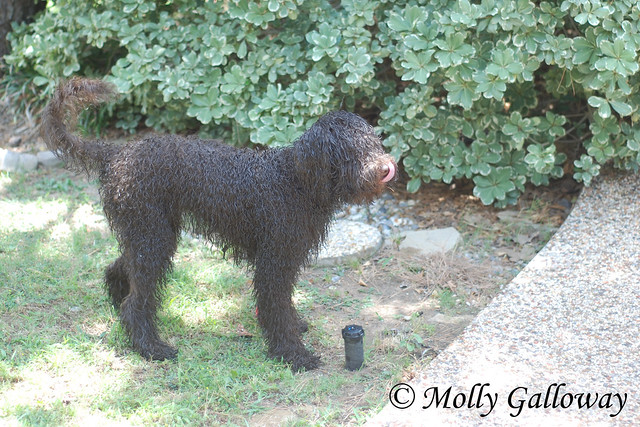
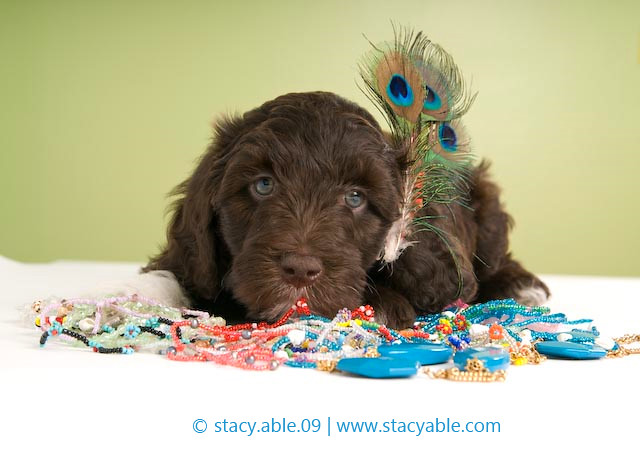
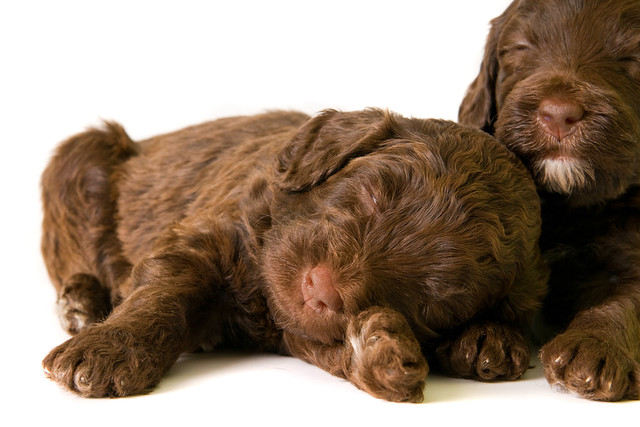
As a matter of fact, Barbet dogs are medium size French water dogs. This dog breed is rare. Their most usual colors are brown, white or black. The most common color combinations are white/black or white/brown where the chest and paws are white and the rest can be either black or brown. However, all shades of red-fawn or pale fawn are accepted. Grey and white are very rare. This prototypic water dog has a long fur, curly and woolly which has to be groomed regularly otherwise the fur will become matted and can lose small tufts of hair.

Male Barbet dogs can grow up to 21 to 25 inches and can weigh between 40 to 60 ponds, while the females can grow up to 20 to 23 inches and can weigh up to 50 pounds.

Barbet dogs are goofy, obedient, and very joyful. They are intelligent and learn very fast. They are very good with children and elderly therefore they make a perfect addition for any family. They bond very easily with their family, and like to spend all their time near humans. However, it is extremely important to perform daily exercises in order to keep them in a healthy state.

Since this dog breed is very rare, it is very little known about their possible health issues. However, some of the most commons are related to ear infections, hernias, epilepsy and undershot or overshot bites. Ear infections are very common in water dogs even though this is something that can be prevented with proper and regular ear care. The ears should always be clean of hair, and should be inspected regularly.

Advertisement

spot_img

Popular Questions

Can Dogs Eat Grass? Understanding the Safety and Reasons

As dog owners, we often find ourselves pondering our furry friends' peculiar behaviors. One such behavior is grass eating. Can dogs eat grass? Is...

Why Does My Dog Have Bad Breath? Understanding Halitosis

Bad breath, also known as halitosis, is a common issue among dogs. While it may seem like a minor concern, persistent bad breath in...

What is a Hotspot on a Dog? A Comprehensive Guide to Canine Hotspots

As dog owners, our primary concern is always the well-being of our furry companions. One common health issue that many dogs face is the...

Are Dogs Allergic to Gluten? A Comprehensive Look into Canine Nutrition

The gluten-free trend has become increasingly popular among humans as more people are diagnosed with gluten sensitivities or celiac disease. However, pet owners may...

Developmental Growth Disorders in Puppies

If your puppy is of a large or giant breed (those breeds that would weigh 55 pounds or more when fully grown), you should...

Diarrhea in dogs

Diarrhea is the passage of frequent loose or watery stools. Dogs are susceptible to bouts of diarrhea from time to time. A single occurrence...

Diabetes in Dogs

Diabetes is a common disease in humans and is common enough in dogs too, so much so that about 1 in 500 dogs suffer...

Stomach Bloating in Dogs: Causes, Symptoms, & Treatment

Stomach bloating in dogs is a common issue that can cause discomfort and, in some cases, pose serious health risks. In this article, we...

Hair loss in dogs

Alopecia or hair loss is common to dogs and may vary from partial to complete hair loss. It may occur gradually or may happen...

Bloat (gastric torsion) in Dogs – Symptoms, Treatment, Prevention

Bloat, also referred to as gastric dilation volvulus (GDV) and gastric torsion, is a condition in which a dog’s stomach becomes distended, twists, or...

Eye Problems in Dogs: Causes, Symptoms, and Treatment Options

Eye problems in dogs are relatively common and can range from mild to severe. As a responsible dog owner, it is crucial to be...

Brachycephalic Breeds

Brachycephalic dogs are those affected by brachycephalic respiratory syndrome. In Greek, “brachy” means “shortened” and “cephalic” means “head”. The shortened head of a dog...

Ear Infections in Dogs: Causes, Symptoms, & Treatment

Ear infections are a common health issue in dogs and can cause significant discomfort and pain. It is essential for pet owners to be...