Bleu de Gascogne

Country of Origin: France
Registries: UKC, FCI
Breed Group: FCI: Group 6:Scenthounds. Section 1.2 Medium-sized Hounds #32, UKC:   Scenthound
Occupation: Scenthound
Size: Height: 50 to 57 cm (10.5-22.4 ins)                                 Weight: 16- 18 kg (36-40 lbs)
Longevity; 10 to 12 Years
Exercise: Long daily walks, plenty of activities
Training: Obedience
Grooming: Easy
Colors: Black and white mottled, with or without solid black patches

The Bleu de Gascogne is a dog breed known for its ability to monitor so-called “cold trails.” This dog breed origins from hunting dogs from pre-roman time and an old dog that belonged to St. Hubert. First, this dog breed was raised in the count of Foa, Gaston Febi , in the 14th century, and later it became one of the favorite dogs of the French King Henry IV (1553 – 1610), who held a larger group of these dogs. Though this noble animal is taller and lighter than many other types of pointers, it is very strong and durable.

In the 17th century, the Bleu de Gascogne hounds were brought to America probably by French researchers. This dog breed was given by a French general to the American President George Washington. The Bleu de Gascogne was crossed with other U.S. drovers to create a hardy dog that will have great instinct for tracking prey.

The Bleu de Gascogne is a classic French hunt good with long legs and a square body. This is a quiet and good-natured dog, and is not suitable for life indoors. It needs to be constantly nurtured, especially his long ears that request major attention regarding hygiene.

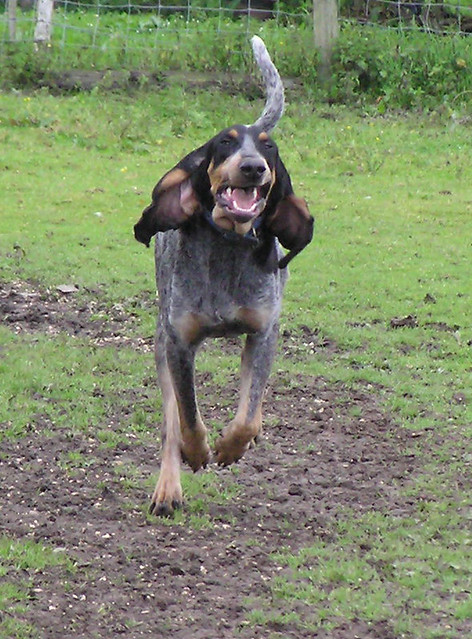
This dog breed is imposingly large. The Bleu de Gascogne has a muscular body type, long legs and long drop ears as well as dropping lips. The average size of males is between 65 and 72 cm, while females are slightly smaller.

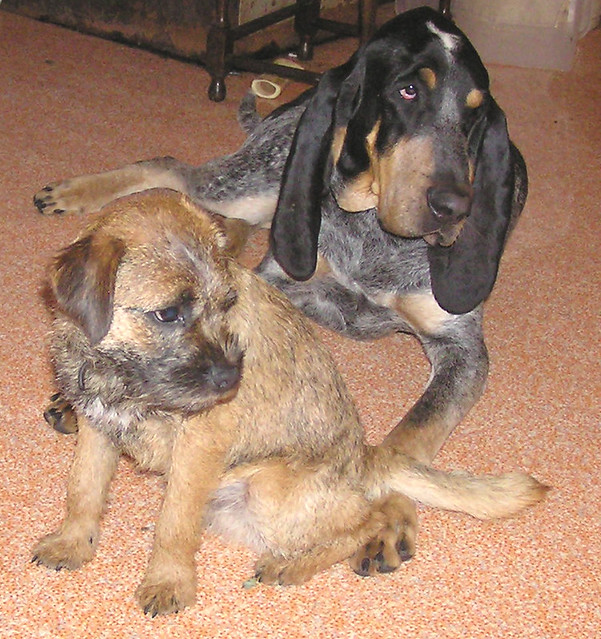
The color of their fur is white mottled with black which given them a slate blue appearance, and this is from where this dog breed got its name. They also have black patches on either side of the head that ends with a white area on top of the head. They have a large and long head, ears are set low and are long and curved. The chest is deep and slightly rounded. The legs are long and muscular, making it a perfect hunt dog. The tail of Bleu de Gascogne dog breed is strong and of medium length, slightly curved upwards.

Advertisement

spot_img

Popular Questions

Can Dogs Eat Grass? Understanding the Safety and Reasons

As dog owners, we often find ourselves pondering our furry friends' peculiar behaviors. One such behavior is grass eating. Can dogs eat grass? Is...

Why Does My Dog Have Bad Breath? Understanding Halitosis

Bad breath, also known as halitosis, is a common issue among dogs. While it may seem like a minor concern, persistent bad breath in...

What is a Hotspot on a Dog? A Comprehensive Guide to Canine Hotspots

As dog owners, our primary concern is always the well-being of our furry companions. One common health issue that many dogs face is the...

Are Dogs Allergic to Gluten? A Comprehensive Look into Canine Nutrition

The gluten-free trend has become increasingly popular among humans as more people are diagnosed with gluten sensitivities or celiac disease. However, pet owners may...

Developmental Growth Disorders in Puppies

If your puppy is of a large or giant breed (those breeds that would weigh 55 pounds or more when fully grown), you should...

Cataracts in Dogs

Cataracts in dogs are characterized by a cloudiness that forms in a clear sac that contains the lens of the dog’s eye. If cataracts...

Brachycephalic Breeds

Brachycephalic dogs are those affected by brachycephalic respiratory syndrome. In Greek, “brachy” means “shortened” and “cephalic” means “head”. The shortened head of a dog...

Elbow Dysplasia in Dogs: Diagnosing & Treating Joint Disorder

Elbow dysplasia is a common orthopedic condition affecting dogs, particularly large breeds. It can lead to chronic pain, decreased mobility, and a reduced quality...

Bloat (gastric torsion) in Dogs – Symptoms, Treatment, Prevention

Bloat, also referred to as gastric dilation volvulus (GDV) and gastric torsion, is a condition in which a dog’s stomach becomes distended, twists, or...

Diabetes in Dogs

Diabetes is a common disease in humans and is common enough in dogs too, so much so that about 1 in 500 dogs suffer...

Poisoning in dogs

Dogs by nature are inquisitive and curious. A great habit it is, when you are taking your dog out to walk. However, it works...

Allergies in Dogs: Causes, Symptoms, and Treatments

Allergies are a common issue affecting many dogs, causing a range of symptoms that can impact their quality of life. In this comprehensive guide,...

Cancer in Dogs: Types, Symptoms, and Treatment Options

Cancer is a disease that affects not only humans but also our beloved canine companions. It is the leading cause of death in dogs...
Previous article
Next article