German Wirehaired Pointer

Country of origin: Germany
Registries: AKC, UKC, CKC
Occupation: Hunter, pointer
and retriever
Size: 22 to 26 in tall; 45 to
75 lbs
Longevity: 12 to 14 years
Exercise: Vigorous daily
exercise
Training: Moderate
Grooming: Moderate
Colors: Black or brown roan, white
with black or brown roan

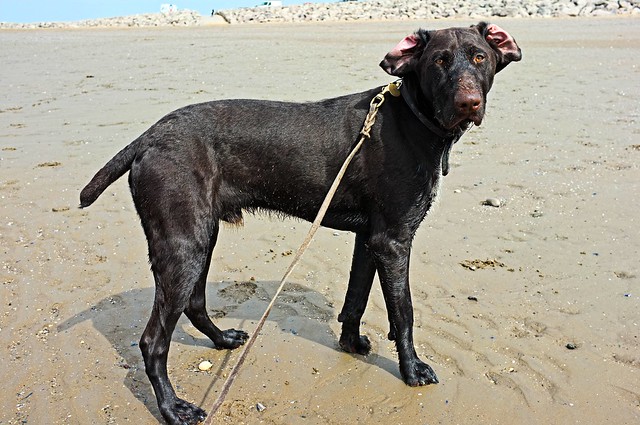
By far the most numerous of all the German Pointers in their native land, breeders say the Wirehaired can be more aloof and headstrong than their shorthaired relatives, but equally there are lines of this breed that live to play. This is the most recently developed of the German Pointers. The insulating, rough, double coat was developed by crossing the Short-haired Pointer with French griffons and the nowextinct German Broken-coated Pointer. The protective coat helps in the field, while its distinguished “beard” gives this breed a dignified, imperial presence. Wire-hairs thrive on routine and vigorous exercise.

Advertisement

spot_img

Popular Questions

Can Dogs Eat Grass? Understanding the Safety and Reasons

As dog owners, we often find ourselves pondering our furry friends' peculiar behaviors. One such behavior is grass eating. Can dogs eat grass? Is...

Why Does My Dog Have Bad Breath? Understanding Halitosis

Bad breath, also known as halitosis, is a common issue among dogs. While it may seem like a minor concern, persistent bad breath in...

What is a Hotspot on a Dog? A Comprehensive Guide to Canine Hotspots

As dog owners, our primary concern is always the well-being of our furry companions. One common health issue that many dogs face is the...

Are Dogs Allergic to Gluten? A Comprehensive Look into Canine Nutrition

The gluten-free trend has become increasingly popular among humans as more people are diagnosed with gluten sensitivities or celiac disease. However, pet owners may...

Autoimmune Disorders in Dogs: Causes, Symptoms, & Treatment

Autoimmune disorders are a group of conditions in which the immune system mistakenly attacks the body's own cells and tissues. These disorders can affect...

Osteochondritis Dissecans: Causes, Symptoms, & Treatment

Osteochondritis dissecans (OCD) is a joint disorder that affects both humans and animals, including dogs. This condition occurs when a piece of cartilage and...

Hypothyroidism in Dogs

If your dog seems sluggish, has gained weight, and doesn’t seem interested in being active, he or she may have an underactive thyroid. The thyroid...

Bloat (gastric torsion) in Dogs – Symptoms, Treatment, Prevention

Bloat, also referred to as gastric dilation volvulus (GDV) and gastric torsion, is a condition in which a dog’s stomach becomes distended, twists, or...

Cushing’s Disease in Dogs

Hyperadrenocorticism, also know as Cushing’s disease, is a disease that can be very tricky to diagnose at first since it mainly occurs in older...

Developmental Growth Disorders in Puppies

If your puppy is of a large or giant breed (those breeds that would weigh 55 pounds or more when fully grown), you should...

Flea allergy dermatitis

Flea allergy dermatitis is an itchy skin disease that affects both dogs and cats. It is the most common skin disease found in dogs...

Ear Infections in Dogs: Causes, Symptoms, & Treatment

Ear infections are a common health issue in dogs and can cause significant discomfort and pain. It is essential for pet owners to be...

Rabies in dogs

Rabies is one of the most dreaded diseases encountered by a pet owner and with good reason. It is a mostly fatal viral...
Previous article
Next article