Lancashire Heeler

Country of Origin: England
Registries: FCI, KCGB, NKC, CKC, APRI, ACR, DRA, NAPR, AKC/FSS
Breed Group: AKC : Foundation Stock Service, KC (UK): Pastorial, UKC Herding
Occupation: Herding,   companion
Size: Height: 25–30 cm ( 10–12 inches)                 Weight: 5.9–8.2 kg (13–18 lbs)
Longevity; 12 to 15 years
Exercise: Daily brisk, long walk.
Training: Must be taught not to nip at peole’s heel, extreme socialization
Grooming: Easy
Colors: Liver & Tan, Black & Tan

The history of this dog breed is still a mystery. Some enthusiast of Lancashire Heeler believe that this is actually a type of Welsh Corgi which in that time could be found in the north West of England. It was a type of tan and black terrier, small in size, called Manchester Terrier and today the mentioned dog breed is called Lancashire Heeler. The Lancashire Heeler is known in its home county for more than 150 years as a general purpose farm dog.

The first Lancashire Heeler Club was established in 1978 and then in 1981 followed the recognition by the Kennel Club. Later in 2006 the Lancashire Heeler was recognised as a vulnerable native breed by The Kennel Club. It is interesting that this is a rare dog breed and that there are only 146 Lancashire Heelers registered in the UK according to the data from 2007.

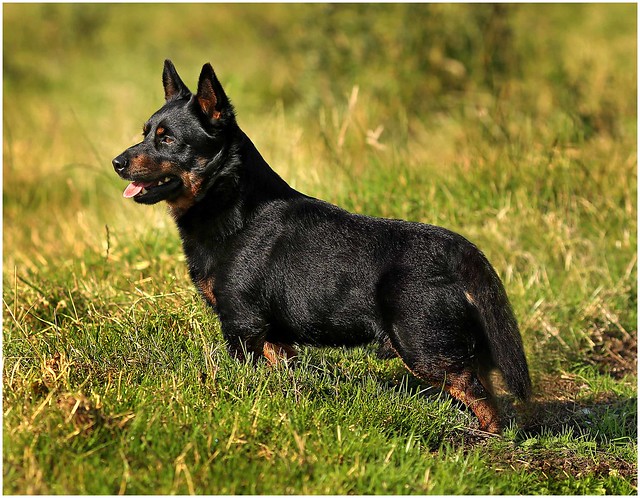
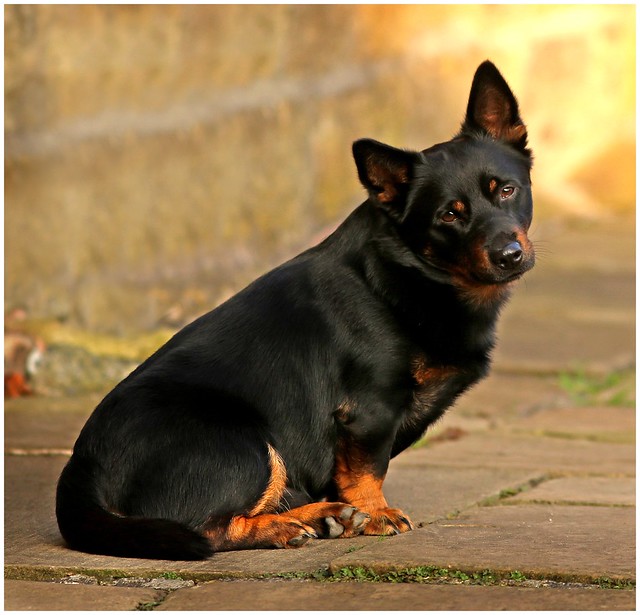
Lancashire Heeler is actually a small dog breed, used mostly as a herder and drover for cattle. These dogs have a smooth and harsh fur and undercoat. These dogs come in black and tan color, however liver and tan are acceptable as well. These dogs measure around 12 inches and can weigh up to 18 pounds.

The Lancashire Heeler is an intelligent, energetic and friendly dog. He is a very pleasant companion with a rather playful personality. However, sometimes they can even be lazy. This small but strong dog likes to participate in all kinds of activities. It is friendly towards its owners can be aggressive towards an unknown people on his territory.

The Lancashire Heeler is a healthy dog breed, however the most common health issues that it can encounter are Patella luxation, Persistent papillary membranes, Primary lens luxation, and Collie eye anomaly, being all this connected to different eye conditions.

Advertisement

spot_img

Popular Questions

Can Dogs Eat Grass? Understanding the Safety and Reasons

As dog owners, we often find ourselves pondering our furry friends' peculiar behaviors. One such behavior is grass eating. Can dogs eat grass? Is...

Why Does My Dog Have Bad Breath? Understanding Halitosis

Bad breath, also known as halitosis, is a common issue among dogs. While it may seem like a minor concern, persistent bad breath in...

What is a Hotspot on a Dog? A Comprehensive Guide to Canine Hotspots

As dog owners, our primary concern is always the well-being of our furry companions. One common health issue that many dogs face is the...

Are Dogs Allergic to Gluten? A Comprehensive Look into Canine Nutrition

The gluten-free trend has become increasingly popular among humans as more people are diagnosed with gluten sensitivities or celiac disease. However, pet owners may...

Autoimmune Disorders in Dogs: Causes, Symptoms, & Treatment

Autoimmune disorders are a group of conditions in which the immune system mistakenly attacks the body's own cells and tissues. These disorders can affect...

Hypothyroidism in Dogs

If your dog seems sluggish, has gained weight, and doesn’t seem interested in being active, he or she may have an underactive thyroid. The thyroid...

Stomach Bloating in Dogs: Causes, Symptoms, & Treatment

Stomach bloating in dogs is a common issue that can cause discomfort and, in some cases, pose serious health risks. In this article, we...

Osteochondritis Dissecans: Causes, Symptoms, & Treatment

Osteochondritis dissecans (OCD) is a joint disorder that affects both humans and animals, including dogs. This condition occurs when a piece of cartilage and...

Skin Infections in Dogs: Types, Causes, Symptoms, and Treatments

Skin infections in dogs are a common and often frustrating issue for both pets and their owners. These infections can be caused by various...

Diarrhea in dogs

Diarrhea is the passage of frequent loose or watery stools. Dogs are susceptible to bouts of diarrhea from time to time. A single occurrence...

Elbow Dysplasia in Dogs: Diagnosing & Treating Joint Disorder

Elbow dysplasia is a common orthopedic condition affecting dogs, particularly large breeds. It can lead to chronic pain, decreased mobility, and a reduced quality...

Cushing’s Disease in Dogs

Hyperadrenocorticism, also know as Cushing’s disease, is a disease that can be very tricky to diagnose at first since it mainly occurs in older...

Hip Dysplasia in Dogs: Causes, Symptoms, and Treatment Options

Hip dysplasia is a common skeletal condition affecting dogs, especially large and giant breeds. It occurs when the hip joint doesn't develop properly, resulting...
Previous article
Next article