Sloughi

Country of Origin: Libya,   Tunisia, Algeria, Morocco
Registries: FCI, KCGB, SFAA, SCCM, AKC/FSS, UKC, NZKC, ANKC, ASLA, , KC(UK), DRA, NAPR
Breed Group: FCI : Group 10 Section 3 #188, AKC: Hound (FSS), ANKC: Group 4 (Hounds), KC (UK): Hounds, NZKC: Hounds, UKC: Sighthounds & Pariahs
Occupation: Hunter, livestock protector
Size: Height: 61 – 72 cm   (24 – 28.3 inches )                 Weight: 16 – 30 kg (35 – 65 lbs)
Longevity; 10-15 years
Exercise: Daily walks or runs and racing
Training: Socialize early in life
Grooming: Easy
Colors: Sandy, Fawn, Brindle, Black

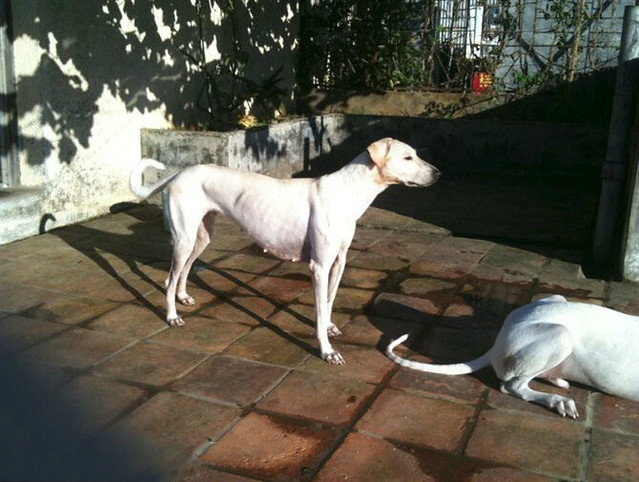
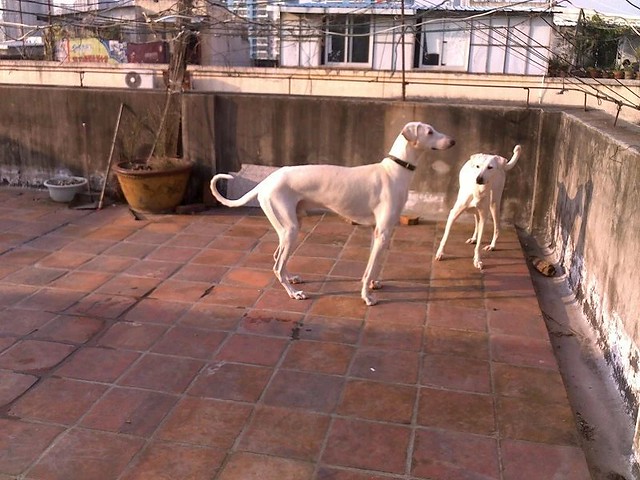
Sloughi dog is also known as the Eastern Greyhound, Sloughi or Arabic and is one of the rarest greyhounds in the western part of the planet. First Sloughi was brought to the U.S. in 1973.

Greyhound Sloughi was originally raised by the Berbers in North Africa (Morocco, Algeria, Tunisia, and Libya), and was used to hunt rabbits, foxes, jackals, gazelles and wild boars. Its exact origin and the day have not been fully understood and it is still just a speculation.

Though Sloughi dogsare noble and proud, they are very attached to master and will defend him in situations of danger. These dogs are well accustomed to the life in the city, but as a result they have become very sensitive to the cold.
Sloughi dogsare without any doubt the most intelligent greyhounds. They are affectionate toward children and timid when it comes to the unknown. As a very sophisticated dog a Sloughi dog has fine muscles and dry skin.

The muzzle is elongated at an angle, and almost equally long as the skull. The eyes are large, dark, slimy black or tan. They are in shape of almond and have a nostalgic look. Flattered triangular ears are lowered to the head. The neck is dry, with folds of skin under the throat. The tail is long and thin. The coat is short and fine and can be in color of sand, reddish with or without black mask.
Sloughi dog is a gentle, healthy and intelligent dog which can be a great pet.Sloughi dogsenjoy running in a safe area, although its needs for physical activity can meet the long daily walks on a leash and occasional running. Once a day, it should be brushed with a soft brush or glove. It doesnt requires a lot of care and requires a normal amount of movement.

Advertisement

spot_img

Popular Questions

Can Dogs Eat Grass? Understanding the Safety and Reasons

As dog owners, we often find ourselves pondering our furry friends' peculiar behaviors. One such behavior is grass eating. Can dogs eat grass? Is...

Why Does My Dog Have Bad Breath? Understanding Halitosis

Bad breath, also known as halitosis, is a common issue among dogs. While it may seem like a minor concern, persistent bad breath in...

What is a Hotspot on a Dog? A Comprehensive Guide to Canine Hotspots

As dog owners, our primary concern is always the well-being of our furry companions. One common health issue that many dogs face is the...

Are Dogs Allergic to Gluten? A Comprehensive Look into Canine Nutrition

The gluten-free trend has become increasingly popular among humans as more people are diagnosed with gluten sensitivities or celiac disease. However, pet owners may...

Hair loss in dogs

Alopecia or hair loss is common to dogs and may vary from partial to complete hair loss. It may occur gradually or may happen...

Allergies in Dogs: Causes, Symptoms, and Treatments

Allergies are a common issue affecting many dogs, causing a range of symptoms that can impact their quality of life. In this comprehensive guide,...

Ear Infections in Dogs: Causes, Symptoms, & Treatment

Ear infections are a common health issue in dogs and can cause significant discomfort and pain. It is essential for pet owners to be...

Poisoning in dogs

Dogs by nature are inquisitive and curious. A great habit it is, when you are taking your dog out to walk. However, it works...

Kennel Cough in Dogs

Canine infectious tracheobronchitis or kennel cough as it is commonly known is not a serious condition which requires an immediate visit to the vet....

Skin Infections in Dogs: Types, Causes, Symptoms, and Treatments

Skin infections in dogs are a common and often frustrating issue for both pets and their owners. These infections can be caused by various...

Osteochondritis Dissecans: Causes, Symptoms, & Treatment

Osteochondritis dissecans (OCD) is a joint disorder that affects both humans and animals, including dogs. This condition occurs when a piece of cartilage and...

Fever in dogs

Fever also known as pyrexia is defined as a higher than a normal body temperature. This normal body temperature is common to all animals...

Eye Problems in Dogs: Causes, Symptoms, and Treatment Options

Eye problems in dogs are relatively common and can range from mild to severe. As a responsible dog owner, it is crucial to be...
Previous article
Next article