Russian Toy

Country of Origin: Russia
Registries: FCI, DRA, NAPR, AKC/FSS
Breed Group: FCI : Group 9 (Provisional) Section 9 #352, UKC:   Companion Dog Group
Occupation: Anti-rat dog and a watch dog
Size: Height: 20 cm -25 cm (8 -10 inches)             Weight: 1.4 – 2.7 kg ( 3-6 lbs)
Longevity; 10-12 years
Exercise: Daily walk
Training: Obedience
Grooming: Moderate
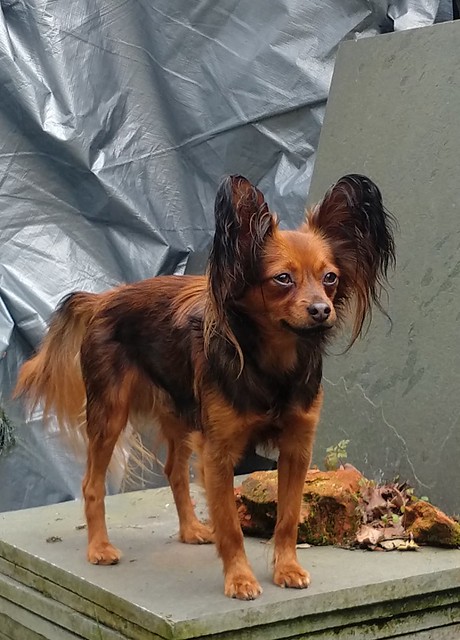
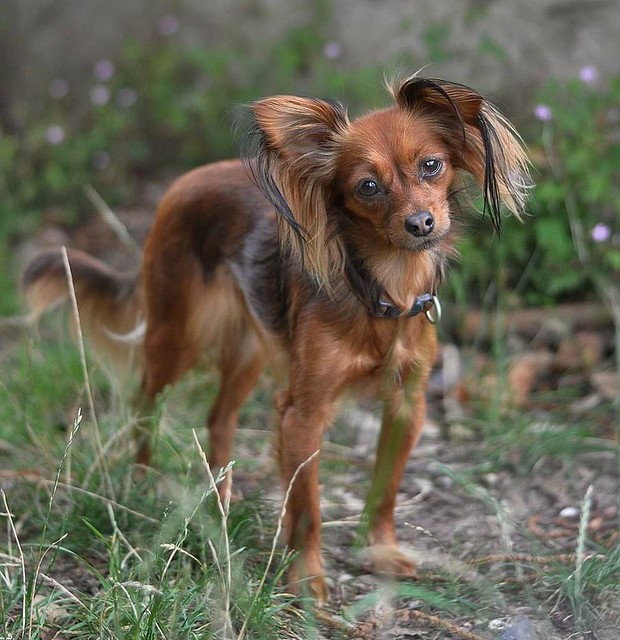
Colors: Black and tan, blue and tan, brown and tan, sable or solid red of various shades

It is interesting that the first evidences of this dog breed can be seen in the Saint Petersburg Museum of zoology. This dog belonged to the Russian emperor Peter The Great. Then in the 20th century, the Russian Toy dogs became one of the most popular breeds in Russia. During the October Revolution their number diminished.

The other name for Russian Toy dogs is also Russkiy. The first long haired Russian Toy dog was called Chikki and was born in 1958 from smooth haired terriers. In adulthood he mated with Irma, a female terrier with longer hair and they got three long haired puppies.

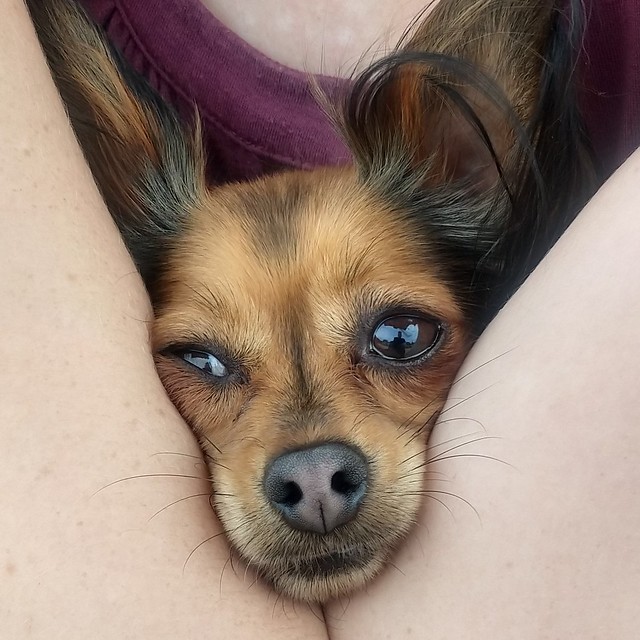
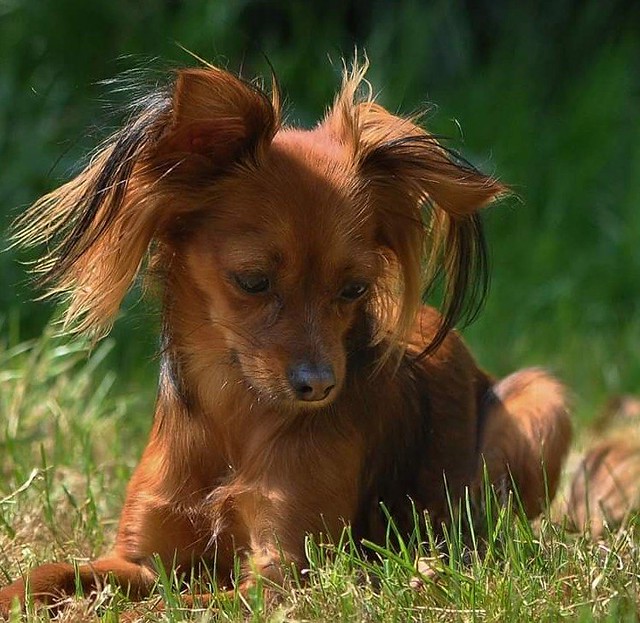
The Russian Toy is, as its name says, a very small dog breed from Russia. There are two different types of Russian Toy dogs. One of them is smooth haired and the other one is long haired. The main difference among the two types is the long hair on ears on the long haired type which is around 5 cm long. This dog breed was almost wiped out two times, but luckily there are still a popular breed even nowadays, although more rare outside of their native Russia.

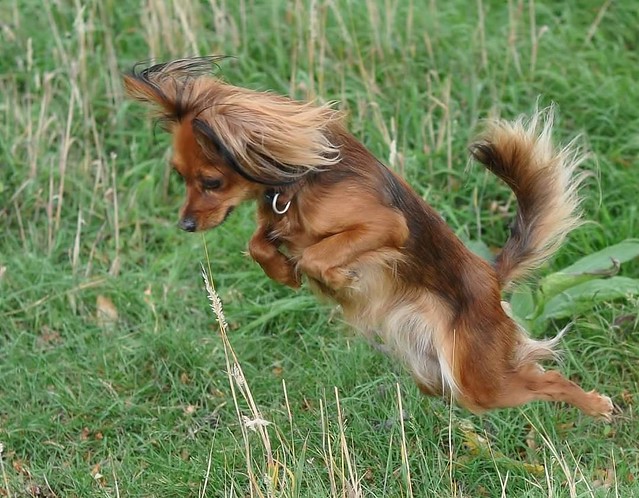
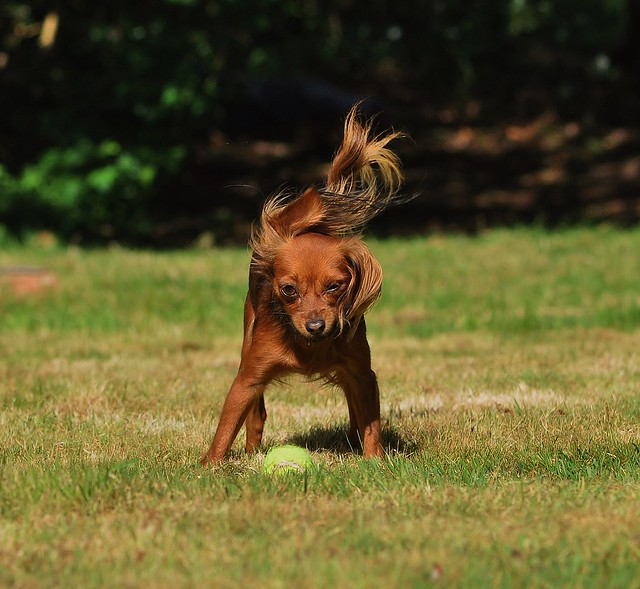
This is at the same time considered to be one of the smallest dog breeds on the world. These dogs measure around 8 inches and weigh up to 6 pounds. The Russian Toy dog has a small distinctive head, large eyes and triangular ears. Their tail is curved in the shape of a sickle.

Booth smooth haired types and long haired types of Russian Toy dogs can be crossed and produce smooth and long haired puppies from the same litter. This dog breed has five main colors – black and tan, brown and tan, blue and tan and sable or solid red of various shades.

Same as many small sized dog breeds, the Russian Toy dogs can also suffer from patellar luxation. However, this is very usually an inherited defect. Also, these dogs can suffer from bone fractures.

Russian Toy dogs are very active and cheerful. However, the problem can be the fact that they tend to be very vocal. These dogs become very attached to their family. From the other side, they are very reserved towards strangers.

Advertisement

spot_img

Popular Questions

Can Dogs Eat Grass? Understanding the Safety and Reasons

As dog owners, we often find ourselves pondering our furry friends' peculiar behaviors. One such behavior is grass eating. Can dogs eat grass? Is...

Why Does My Dog Have Bad Breath? Understanding Halitosis

Bad breath, also known as halitosis, is a common issue among dogs. While it may seem like a minor concern, persistent bad breath in...

What is a Hotspot on a Dog? A Comprehensive Guide to Canine Hotspots

As dog owners, our primary concern is always the well-being of our furry companions. One common health issue that many dogs face is the...

Are Dogs Allergic to Gluten? A Comprehensive Look into Canine Nutrition

The gluten-free trend has become increasingly popular among humans as more people are diagnosed with gluten sensitivities or celiac disease. However, pet owners may...

Bloat (gastric torsion) in Dogs – Symptoms, Treatment, Prevention

Bloat, also referred to as gastric dilation volvulus (GDV) and gastric torsion, is a condition in which a dog’s stomach becomes distended, twists, or...

Osteochondritis Dissecans: Causes, Symptoms, & Treatment

Osteochondritis dissecans (OCD) is a joint disorder that affects both humans and animals, including dogs. This condition occurs when a piece of cartilage and...

Developmental Growth Disorders in Puppies

If your puppy is of a large or giant breed (those breeds that would weigh 55 pounds or more when fully grown), you should...

Eye Problems in Dogs: Causes, Symptoms, and Treatment Options

Eye problems in dogs are relatively common and can range from mild to severe. As a responsible dog owner, it is crucial to be...

Autoimmune Disorders in Dogs: Causes, Symptoms, & Treatment

Autoimmune disorders are a group of conditions in which the immune system mistakenly attacks the body's own cells and tissues. These disorders can affect...

Diarrhea in dogs

Diarrhea is the passage of frequent loose or watery stools. Dogs are susceptible to bouts of diarrhea from time to time. A single occurrence...

Diabetes in Dogs

Diabetes is a common disease in humans and is common enough in dogs too, so much so that about 1 in 500 dogs suffer...

Skin Infections in Dogs: Types, Causes, Symptoms, and Treatments

Skin infections in dogs are a common and often frustrating issue for both pets and their owners. These infections can be caused by various...

Cancer in Dogs: Types, Symptoms, and Treatment Options

Cancer is a disease that affects not only humans but also our beloved canine companions. It is the leading cause of death in dogs...
Previous article
Next article