Welsh Springer Spaniel

Country of origin: Wales
Registries: AKC, UKC, CKC
Breed Group: AKC: Sporting Group,
FCI: Group 8 Section 2 #126
Occupation: Gun dog
Size: 16–20.5kg (35–45lb),
46–48cm (18–19in)
Longevity: 12 to 14 years
Exercise: Daily run
Training: Easy to moderate
Grooming: Moderate
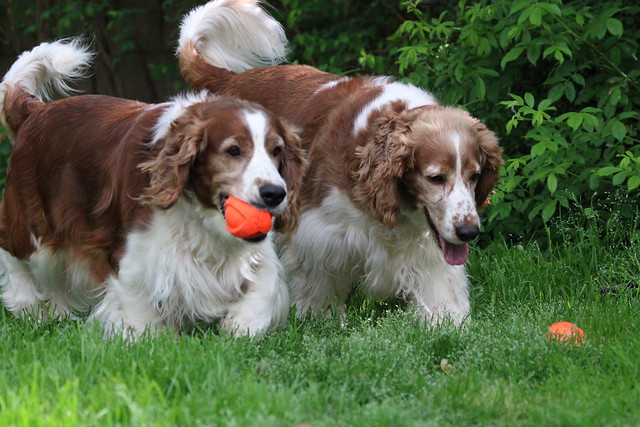
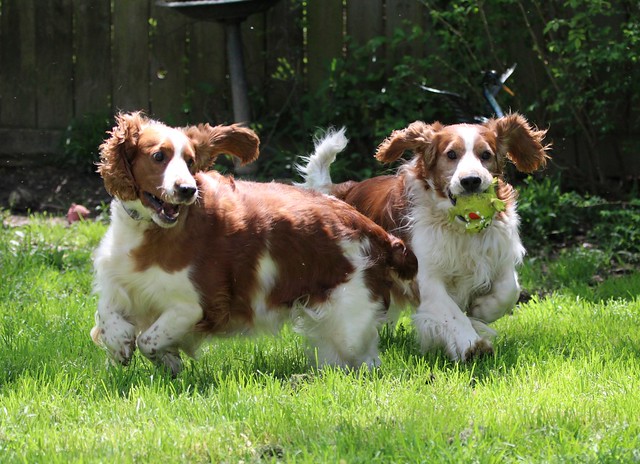
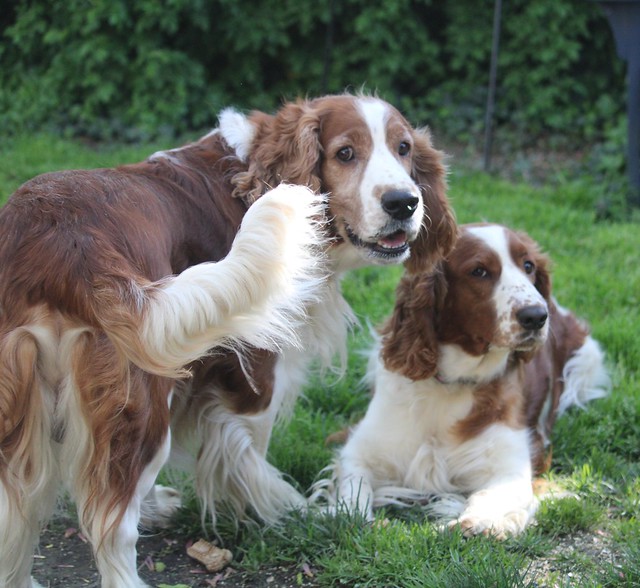
Colors: Red and white

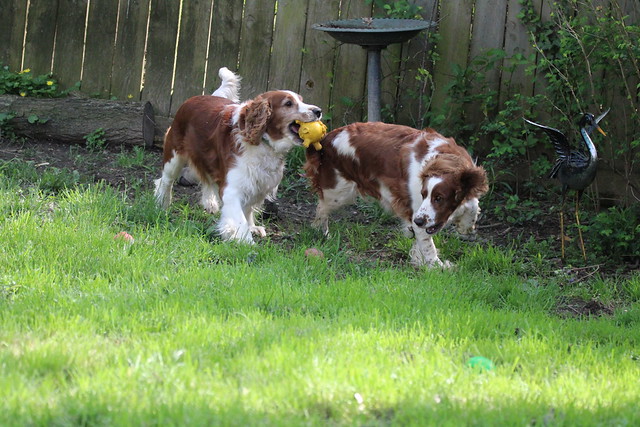
Equally popular as a working gundog and a companion, the Welsh Springer is a good-natured and tractable breed with stamina to spare. Its original function was to flush or “spring” game birds for hunters, but it has also proved capable at herding cattle and sheep. It makes a cheerful and energetic companion, although it can be somewhat reserved with strangers. The Welsh Springer is reliable around children and naturally inclined to obedience training. It revels in physical exercise, especially any activities involving water. Red-and-white dogs of this type can be traced back to the 18th century in Wales and further back in England. The breed was only officially recognized in 1902, however, and was previously called the Welsh Cocker. It is popular, but somewhat overshadowed by the English Springer Spaniel (see p.219): despite sharing a name, the two breeds are not in fact closely linked.

Advertisement

spot_img

Popular Questions

Can Dogs Eat Grass? Understanding the Safety and Reasons

As dog owners, we often find ourselves pondering our furry friends' peculiar behaviors. One such behavior is grass eating. Can dogs eat grass? Is...

Why Does My Dog Have Bad Breath? Understanding Halitosis

Bad breath, also known as halitosis, is a common issue among dogs. While it may seem like a minor concern, persistent bad breath in...

What is a Hotspot on a Dog? A Comprehensive Guide to Canine Hotspots

As dog owners, our primary concern is always the well-being of our furry companions. One common health issue that many dogs face is the...

Are Dogs Allergic to Gluten? A Comprehensive Look into Canine Nutrition

The gluten-free trend has become increasingly popular among humans as more people are diagnosed with gluten sensitivities or celiac disease. However, pet owners may...

Skin Infections in Dogs: Types, Causes, Symptoms, and Treatments

Skin infections in dogs are a common and often frustrating issue for both pets and their owners. These infections can be caused by various...

Patellar Luxation in Dogs: Causes, Symptoms, and Treatment Options

Patellar luxation, also known as a dislocated kneecap, is a common orthopedic issue in dogs. This condition can cause discomfort, lameness, and may even...

Osteochondritis Dissecans: Causes, Symptoms, & Treatment

Osteochondritis dissecans (OCD) is a joint disorder that affects both humans and animals, including dogs. This condition occurs when a piece of cartilage and...

Hip Dysplasia in Dogs: Causes, Symptoms, and Treatment Options

Hip dysplasia is a common skeletal condition affecting dogs, especially large and giant breeds. It occurs when the hip joint doesn't develop properly, resulting...

Cushing’s Disease in Dogs

Hyperadrenocorticism, also know as Cushing’s disease, is a disease that can be very tricky to diagnose at first since it mainly occurs in older...

Cancer in Dogs: Types, Symptoms, and Treatment Options

Cancer is a disease that affects not only humans but also our beloved canine companions. It is the leading cause of death in dogs...

Developmental Growth Disorders in Puppies

If your puppy is of a large or giant breed (those breeds that would weigh 55 pounds or more when fully grown), you should...

Fever in dogs

Fever also known as pyrexia is defined as a higher than a normal body temperature. This normal body temperature is common to all animals...

Kennel Cough in Dogs

Canine infectious tracheobronchitis or kennel cough as it is commonly known is not a serious condition which requires an immediate visit to the vet....
Previous article
Next article