
| Country of origin: | Scotland |
| Registries: | AKC, UKC, CKC |
| Occupation: | Herder |
| Size: | 20 to 22 in tall; 40 to 60 lbs |
| Longevity: | 13 to 15 years |
| Exercise: | Active and playful |
| Training: | Easy to train; hard to keep focused |
| Grooming: | Difficult |
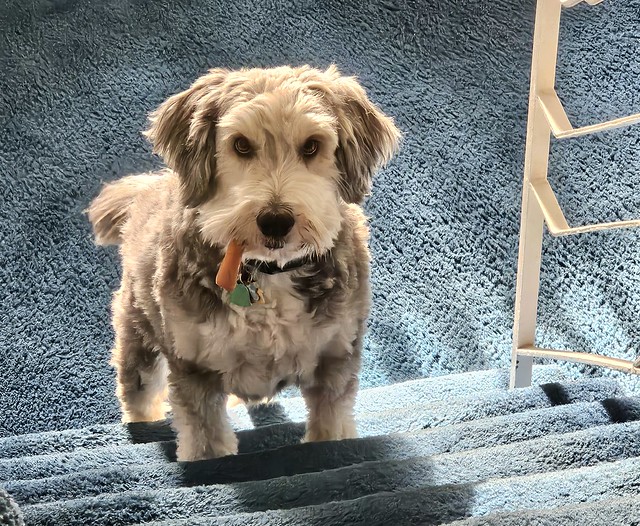



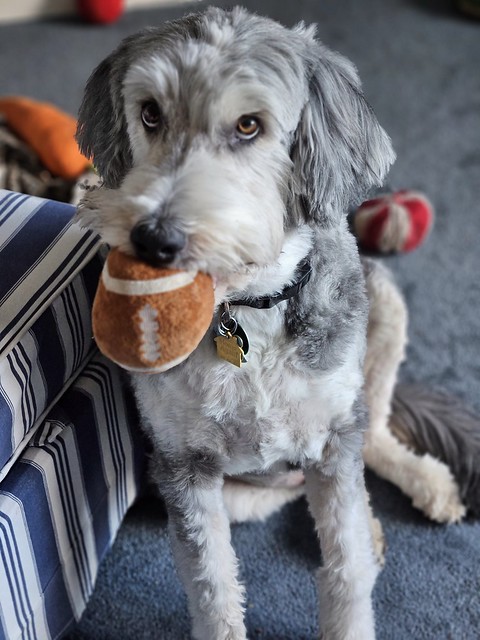


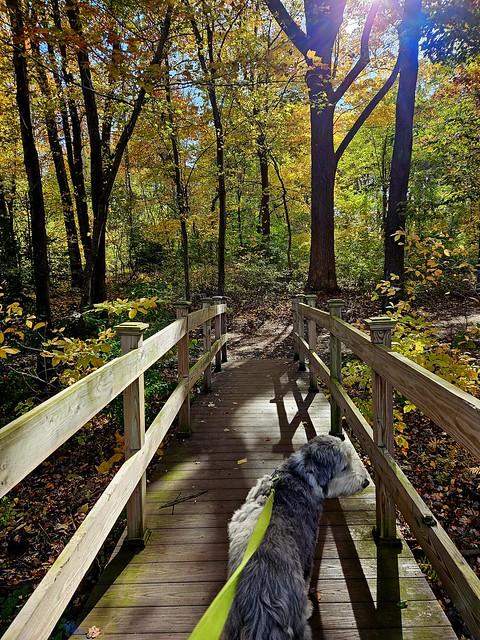


Legend has it that this breed, a working dog since the 16th century, originated in a cross of Scottish dogs with Polish Lowland Sheepdogs (see p.132). It almost died out, but was revived in the mid-20th century, and is now firmly established in Britain and North America. The high-maintenance, long coat conceals a lean dog bursting with energy. A reliable, active companion for those who have the time and stamina.
History
The bearded collie, or better known as a beardie, is a very old breed from Britain. It is also said that they are the oldest breed there. The bearded collie has myths and legend that date back to the 1500s. It wasn’t until the 1940s that it became official.
In 1944, a woman named G. Olive Willison was mistaking her beardie as a sheepdog. She went on a pursuit to find a dog to mate with hers and ended up owning the dog of Scottish man she found. This man would in turn be a co-founder of the breed we know today.
The main purpose of the bearded collie was simply to be man’s best friend and aid. Eventually they would be used for great companions and servants.
Personality
Due to the servant nature of these pups, they are categorized as herding dogs. It’s a good thing that they are dutiful since they are active and obedient creatures. With their working habits set aside, it should be noted that they are very affectionate and loyal dogs. They can get any job done and be able to love hard on the same hand, or paw. This makes them great family dogs. They are also very energetic and often referred to as bouncy. These attributes make for a great housepet because they can work hard for a while and they are fun to play with.
Traits
These medium-sized dogs are characterized by its shaggy coat and its long length. They are 20 to 22 inches long. Their weight can vary anywhere from 40 lbs to 60 lbs.
Despite their shaggy hair, Beardies may appear to be heavyset but they are more on the lean side of the spectrum. Their hair shags off of their long bodies and is actually quite flat. They have rough, coarse hair that comes in around four colors. They can be black, fawn, brown, or blue and each with or without white markings. Their signature look is the facial hair as it is where they get their name of course.
Handling
Beardies are pretty easy to care for. With a proper socialization, they can be great dogs for families with children and other animals. They tend to have a higher energy level so exercise is recommended or else they will quickly get bored. Stimulation is important when it comes to training also. Due to their intelligence, they may become bored with repetition.
The only notable grooming necessity is weekly brushing to avoid mats in their long, rough hair. Sometimes owners will maintain a puppy cut to simplify grooming.
Health
Bearded Collies are generally healthy dogs. They are prone to the typical health issues that other dogs are like hip dysplasia. Sometimes they can acquire eye problems though. This breed in particular can be susceptible to Addison’s disease. Addison’s disease can be caused when certain hormone steroids aren’t produced in the adrenal cortex. This disease can be fatal. It is best to get tested when certain symptoms appear, such as unexplained lethargy and stress intolerance.