| Country of origin: | China |
| Registries: | AKC, UKC, CKC |
| Occupation: | Hunter |
| Size: | 17 to 20 in tall; 50 to 75 lbs |
| Longevity: | 10 to 12 years |
| Exercise: | Low activity level |
| Training: | Challenge |
| Grooming: | Daily brushing recommended |


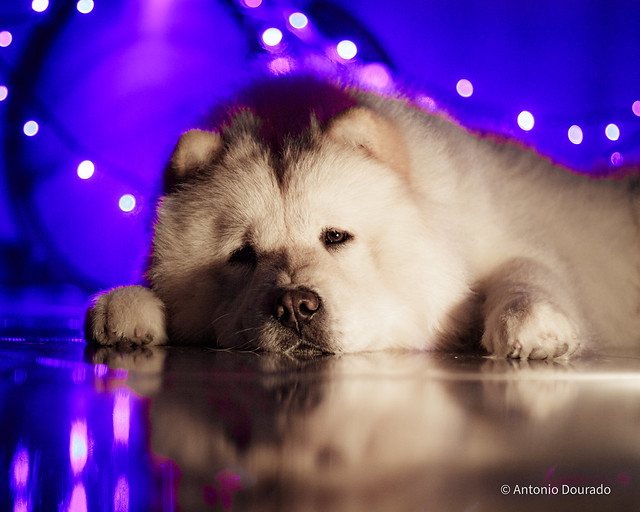
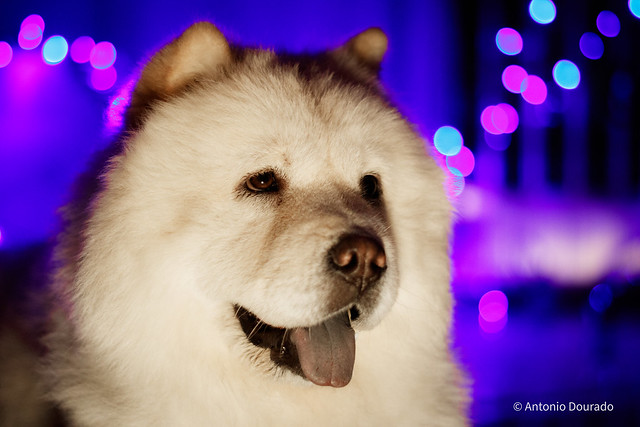
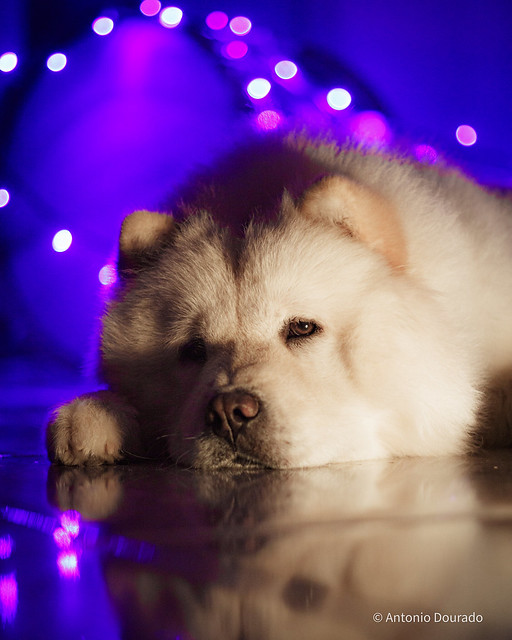
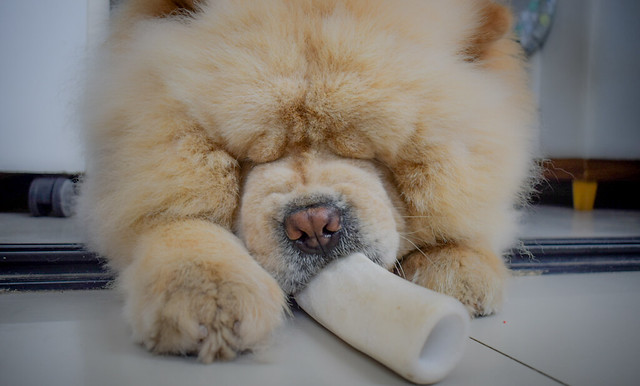


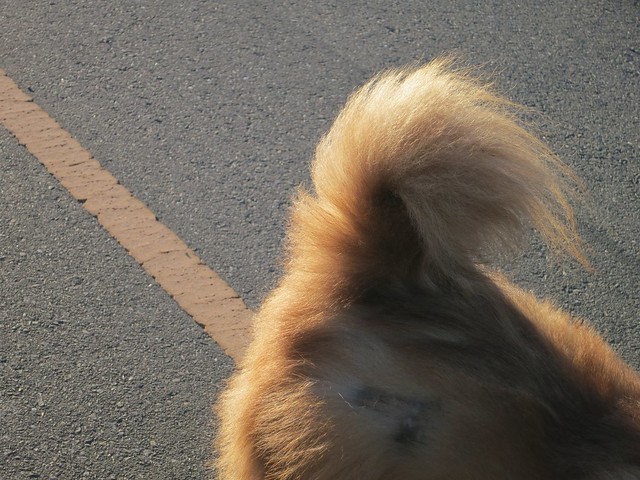
To some, this truly ancient breed, one of the first to diverge from the wolf, resembles a teddy bear. To others, it looks like a lion. It would be wise to think of it as the latter in terms of personality. In the past, bluetongued dogs of the Chow Chow type were eaten and their skin used for clothing in China. They were also employed as guard dogs and sled dogs, and none of these uses required a friendly or relaxed personality. This is a stubborn, independent breed with a tendency to snap aggressively, and it needs a firm and experienced owner.
Dog Breed Synonyms: Black Tongue & Black Mouth Dog
HISTORY
The Chow Chow is amongst the most ancient breeds and proudly represents a basal lineage of dog evolution. The Chow Chow’s bone structure is similar to that of the oldest fossilized dog remains, dating back several million years. The Chow is represented in the pottery and sculptures of the Han Chinese Dynasty.
The breed theoretically originated from an outcross between the old Tibetan Mastiff and the Samoyed. It is believed that originally Chow Chows served as a temple guard dogs. Supposedly they were the models for the stone lion statues which guard Buddhist temples. Later on, they were used for hunting particularly by nobilities.
The Chow own its present popularity to Queen Victoria, who took an interest in this so called “Wild Dog of China”. After her, many rich and famous people including President Calvin Coolidge, analyst Sigmund Freud and more recently Martha Stewart owned a Chow.
PERSONALITY
Chows are very possessive of their belongings such as food, bones, toys and areas of the house and will protect them at any cause. Despite their reserved nature, they are devoted dogs, fiercely protective of their families too. Chows are extremely distrustful of strangers.
The Chow’s personality can be described as ,,cat-like,, because it can be stubborn and not very eager to please. Chows are dignified, loyal, and quiet with keen intelligence and independent spirit.
Usually Chows are not very social and out-going dogs, but if properly trained and socialized, at an early age, they can learn to be soft and friendly.
TRAITS
The Chow is a perfectly balanced, powerful dog of medium size. He is sturdy and squarely built, with strong muscular development and heavy bone. The Chow is often described as a masterpiece of beauty, dignity and untouched naturalness.
The Chow Chow has several unique characteristics such as blue-black tongue, fluffy coat and scowl of a lion. They have double coat, which can be short and smooth or long and rough. Accepted colors include red, black, blue, cinnamon, cream and on rare occasions – white.
Chow Chows weight 45-70lb (20-32 kg) and their height at withers is 17-20” (43-51 cm).
HANDLING
Harsh confrontational training methods such as yelling, hitting and shock collars have proven to be ineffective with this breed and can lead to irreversible aggression. On the other hand, reward based methods are much more suitable.
The strong-willed Chow demands an equally strong-willed owner. The owner must earn the Chows respect and work his way to the top of the hierarchy. If the owner imposes himself as leader, without earning the status, Chows will refuse to accept his authority.
Another important key in raising a well behaved Chow is socialization. Even at early age, Chows must get used to new people, places and experiences. They tend to be suspicious of strangers, but are rarely aggressive.
HEALTH
The Chow Chow is highly susceptible to a large number of health issues such as cardiovascular conditions (pulmonic stenosis), dermatological conditions (flea bite hypersensitivity, pemphigus foliaceous, post-clipping alopecia, colour-dilution alopecia, tyrosinase deficiency, canine uveodermatological syndrome), endocrine conditions (adult-onset growth-hormone-responsive dermatosis, hypothyroidism), gastrointestinal conditions (congenital hiatal hernia), musculoskeletal conditions (myotonia, cranial cruciate ligament rupture), neoplastic conditions (melanoma, lymphosarcoma), neurological conditions (cerebellar malformation, hypomyelination of the central nervous system), ocular conditions (micropalpebral fissure, entropion, ectropion, glaucoma, persistent pupillary membranes, uveodermatologic syndrome) and renal and urinary conditions (familial renal disease).
The Chow Chow has a life expectancy of 8 to 12 years.
The Chow Chow’s blue tongue and gums make it difficult for vets to examine the mouth for visual signs of anaemia, low blood pressure, or shock. Alternative sites of inspection during routine examinations are the vulva or prepuce, which aren’t blue.