| Country of Origin: | Ireland |
| Registries: | CKC, FCI, KCGB, NKC, NZKC, CET, ANKC, APRI, ACR, DRA |
| Breed Group: | FCI: Group 3 Section 1 #302, AKC: Terrier, ANKC: Group 2 (Terriers), CKC: Miscellaneous List, KC : (UK) Terrier, NZKC: Terrier, UKC : Terriers |
| Occupation: | Hunter, Human companion |
| Size: | Height: 35.5 – 36.5 cm (14 inches) Weight: 15.5 – 16.5 kg (34 – 36 lbs ) |
| Longevity; | 15 years or more |
| Exercise: | Daily walk |
| Training: | Need to be calm , firm and consistent in discipline, socialize well |
| Grooming: | Easy |
| Colors: | Blue Brindle Wheaten |

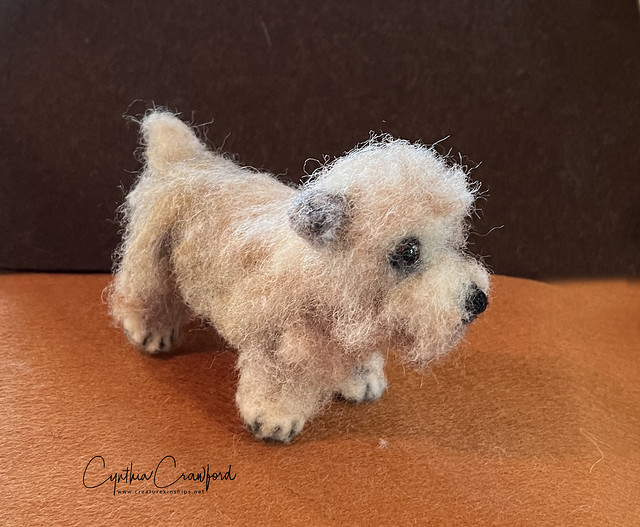


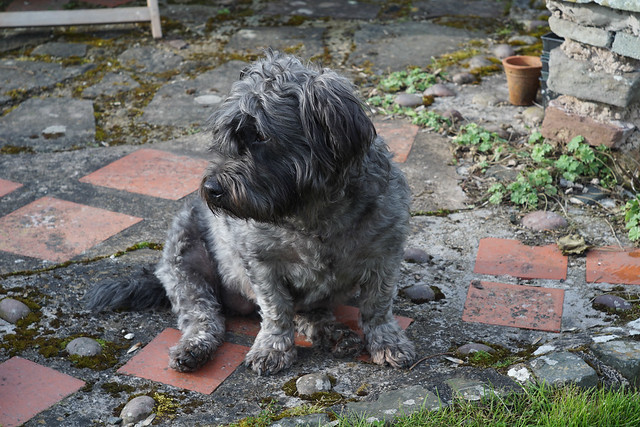
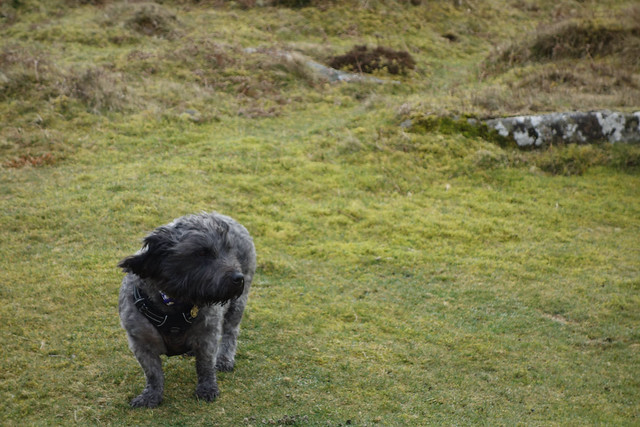


Ireland is a country known for its lush scenery, but not all the Ireland emerald green. Glen is a part located in Wicklow, gloomy part of the country with scattered rocks, where people are investing a lot of effort trying to provide funds for basic needs.
However, Ireland is also a country known for its terriers and leprechauns, and among them are as well the Glen of Imaal Terrier dogs. These small but brave terriers managed to survive the harsh environments they lived in by catching rats, badgers and foxes. Moreover, the Glen of Imaal Terrier dogs are so cuddly and affectionate that are also considered as a part of the family.
In 1934 the Glen of Imaal Terrier was recognized by the Irish Kennel Club. Later on, an American club of Glen of Imaal Terrier dogs was established in 1986.
This is a small dog with short legs, and not very well known outside of its native Ireland. This breed is very old and has always been used to hunt rodents, possibly foxes and badgers.
The Glen of Imaal Terrier is bold, aggressive and powerful, somewhat cantankerous towards other animals and gentle to owner. By his temperament, this is primarily a working dog. It is strong for his size, active and agile.
The Glen of Imaal Terrier has quite a wide head and hazel eyes. His teeth are very strong. His ears are narrow and pendulous. The front legs are short and strong. Due to good working ability this dog breed is still used on farms in Ireland. Today it is generally found as a pet and on Irish farms as a working dog.
The coat is semi-long and usually sharp, tempered with a soft undercoat. It can be of wheat or gray- blue color. The Glen of Imaal Terrier dogs are big enough to accompany almost every family activities and small enough that they can be found almost everywhere. Well versed in adverse weather conditions, but are not fans of warm weather.
The Glen of Imaal Terrier dogsare not the best swimmers and they should not be put into deep water, unless the owner is sure that it knows how to swim. Their coat requires trimming several times a year, but is generally easy to maintain.