Poodle (Toy & Miniature)

Country of origin: France
Registries: AKC, UKC, CKC
Occupation: Companion
Size: Toy: 6–9 lbs, 10–11 in tall
Miniature:  10–18lbs,  11–15 in tall
Longevity: 13 to 16 years
Exercise: Moderate
Training: Moderate; easily
spoiled
Grooming: Difficult
Colors: Ranging from white through cream, silver,
brown, black, blue, red, apricot

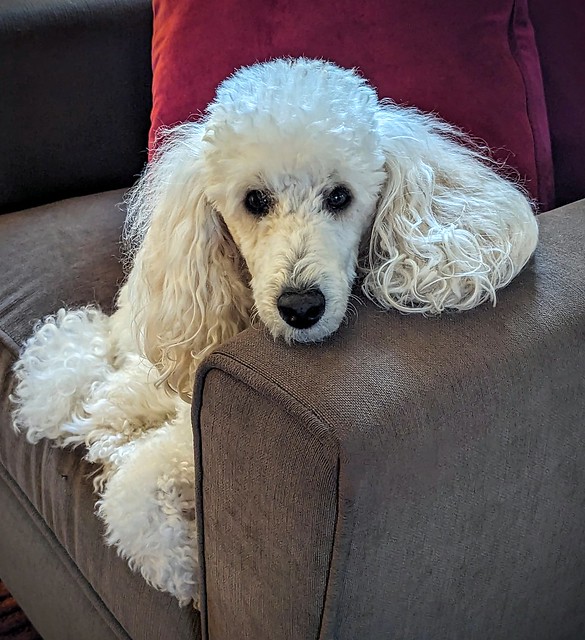
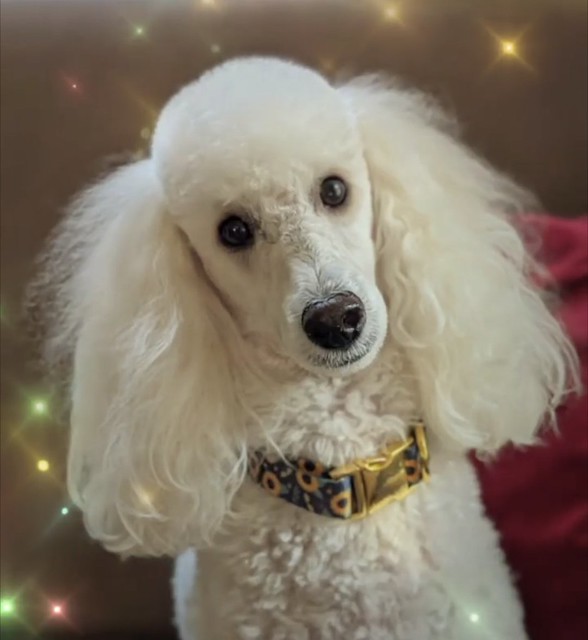
Small versions of the tall, elegant Standard Poodle (see p.207) have existed since the 1700s, but it wasn’t until well into the 20th century that the Miniature Poodle, and then 20 years later the Toy Poodle, were recognized by kennel clubs. The Toy and Miniature sizes are recognized in most English-speaking countries. In most European countries, a poodle about the size of the Miniature is called the Dwarf, which is curious because it does not have dwarfed legs (see p.55), and “Miniature” is used to describe a medium-sized Poodle ranging up to Standard Poodle size. Very small individuals, weighing under 2kg (4.5lb) are often marketed as “Teacups”, but this is not a recognized size. Small Poodles suffer from bad press. It is true that the temperament of the breed deteriorated through breeding for quantity rather than quality, but that was 50 years ago. Nervousness and unpredictability around children today can be attributed more to poor socializing rather than to an inherently inferior temperament. Poodles don’t shed their dense, woolly coats and need to be clipped around eight times yearly. A uniform clip, producing the appearance of a new-born lamb, is the generally preferred style. While only solid colours are recognized by breed registries, parti-coloured poodles can look stunning. An excellent advantage of owning a poodle is that they seldom have a doggy odour, although they are very prone to gum disease and associated halitosis. Some lines are predisposed to inherited blindness caused by cataracts or progressive retinal atrophy (PRA). Breeding animals should always be examined for these conditions. Because thick hair grows down their ear canals, poodles are also prone to ear infection, making routine ear hair removal essential.

Your poodle puppy may be small and cute, but it is a long-term commitment. Pet insurance actuarial statistics show that of all breeds of dogs, Miniature Poodles have the longest median life expectancy of 14.8 years. Toy Poodles can expect to live almost as long, reaching an average of 14.4 years.

Advertisement

spot_img

Popular Questions

Can Dogs Eat Grass? Understanding the Safety and Reasons

As dog owners, we often find ourselves pondering our furry friends' peculiar behaviors. One such behavior is grass eating. Can dogs eat grass? Is...

Why Does My Dog Have Bad Breath? Understanding Halitosis

Bad breath, also known as halitosis, is a common issue among dogs. While it may seem like a minor concern, persistent bad breath in...

What is a Hotspot on a Dog? A Comprehensive Guide to Canine Hotspots

As dog owners, our primary concern is always the well-being of our furry companions. One common health issue that many dogs face is the...

Are Dogs Allergic to Gluten? A Comprehensive Look into Canine Nutrition

The gluten-free trend has become increasingly popular among humans as more people are diagnosed with gluten sensitivities or celiac disease. However, pet owners may...

Rabies in dogs

Rabies is one of the most dreaded diseases encountered by a pet owner and with good reason. It is a mostly fatal viral...

Autoimmune Disorders in Dogs: Causes, Symptoms, & Treatment

Autoimmune disorders are a group of conditions in which the immune system mistakenly attacks the body's own cells and tissues. These disorders can affect...

Cataracts in Dogs

Cataracts in dogs are characterized by a cloudiness that forms in a clear sac that contains the lens of the dog’s eye. If cataracts...

Dental Issues in Dogs: Causes, Symptoms, and Treatments

Dental issues are common in dogs and can lead to a variety of health problems if left untreated. In this comprehensive guide, we will...

Ear Infections in Dogs: Causes, Symptoms, & Treatment

Ear infections are a common health issue in dogs and can cause significant discomfort and pain. It is essential for pet owners to be...

Hip Dysplasia in Dogs: Causes, Symptoms, and Treatment Options

Hip dysplasia is a common skeletal condition affecting dogs, especially large and giant breeds. It occurs when the hip joint doesn't develop properly, resulting...

Brachycephalic Breeds

Brachycephalic dogs are those affected by brachycephalic respiratory syndrome. In Greek, “brachy” means “shortened” and “cephalic” means “head”. The shortened head of a dog...

Bloat (gastric torsion) in Dogs – Symptoms, Treatment, Prevention

Bloat, also referred to as gastric dilation volvulus (GDV) and gastric torsion, is a condition in which a dog’s stomach becomes distended, twists, or...

Developmental Growth Disorders in Puppies

If your puppy is of a large or giant breed (those breeds that would weigh 55 pounds or more when fully grown), you should...
Previous article
Next article