Many tough little terriers originated in northern England, a reflection of the inhospitable land and climate. The Patterdale Terrier (or Black Fell Terrier) was developed to hunt grounddwelling vermin—foxes in England but often raccoons and badgers in the U.S.—and is a tough, courageous little dog. This compact, well-balanced terrier stands 10 to 13 inches tall and weighs 10 to 11 pounds. Her head is strong, her ears are button and tight, and two hands should be able to span her chest. The tail is carried high, and, if docked, no more than one-fourth of the tail should be removed. The coat may be smooth or rough, but either coat
The gluten-free trend has become increasingly popular among humans as more people are diagnosed with gluten sensitivities or celiac disease. However, pet owners may...
Elbow dysplasia is a common orthopedic condition affecting dogs, particularly large breeds. It can lead to chronic pain, decreased mobility, and a reduced quality...
Hip dysplasia is a common skeletal condition affecting dogs, especially large and giant breeds. It occurs when the hip joint doesn't develop properly, resulting...
Canine infectious tracheobronchitis or kennel cough as it is commonly known is not a serious condition which requires an immediate visit to the vet....
Bloat, also referred to as gastric dilation volvulus (GDV) and gastric torsion, is a condition in which a dog’s stomach becomes distended, twists, or...
Dog-Breeds.com: Your Ultimate Canine Companion Guide
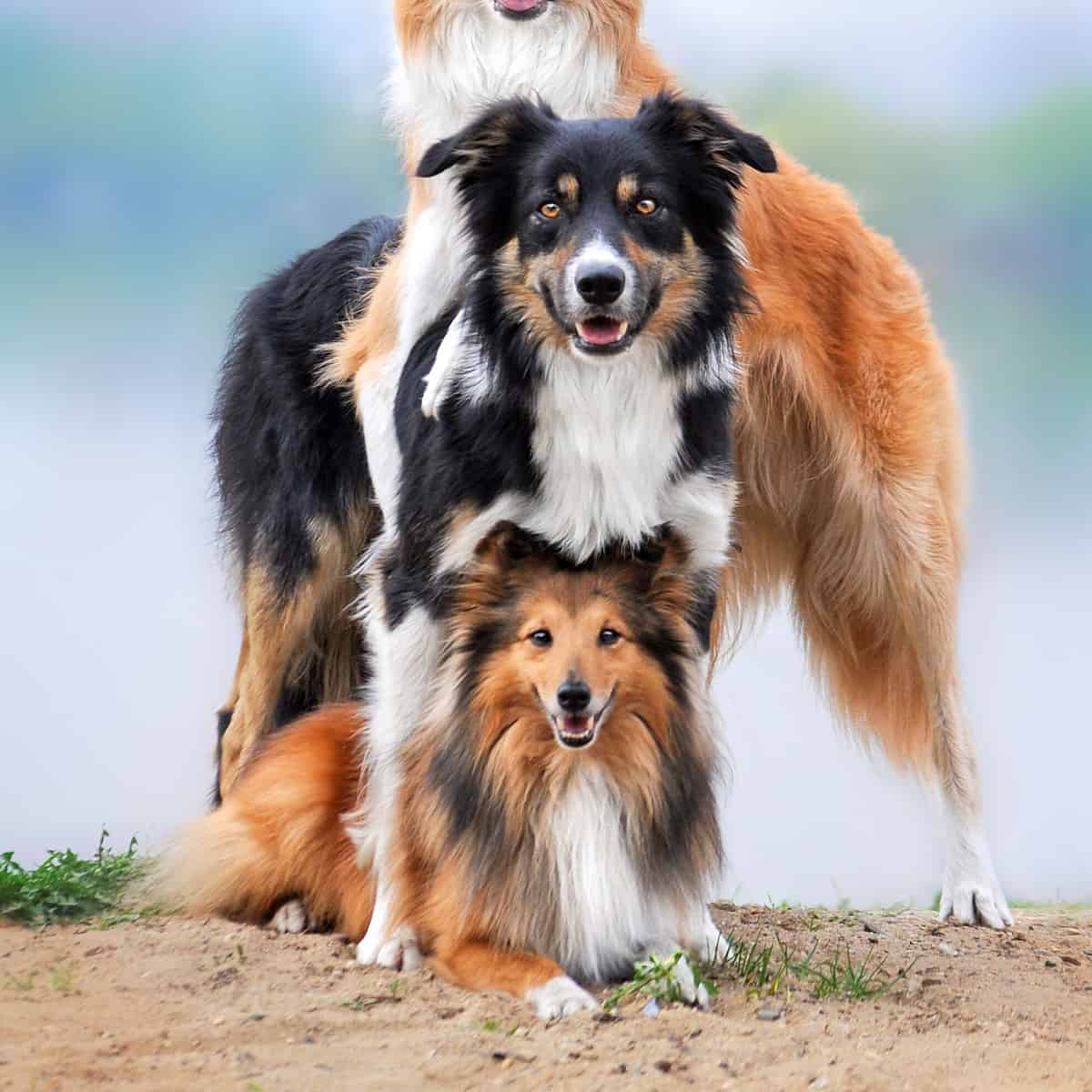
When it comes to choosing a four-legged companion, the options can seem overwhelming. With over 340 recognized dog breeds worldwide, finding the perfect match for your lifestyle and personality can be a daunting task. But worry not, because Dog-Breeds.com is here to help you navigate the world of dog breeds and find your ideal canine companion! While each dog breed has its unique charm, it’s crucial to consider your lifestyle, living environment, and personal preferences when choosing a dog / Photo: Ksenia Raykova Shutterstock.com
In this comprehensive guide, we’ll explore the fascinating world of dog breeds, delve into breed-specific characteristics, and offer expert advice on selecting and caring for your perfect pooch. So, let’s embark on this exciting journey and discover what makes each dog breed unique and special.
Understanding Dog Breeds
To appreciate the variety and complexity of dog breeds, it’s essential to understand their origins and classifications. Dog breeds have evolved over thousands of years, with selective breeding playing a crucial role in their development. Breeders and dog enthusiasts have refined and enhanced specific traits to create dogs suited for various tasks, such as hunting, herding, guarding, and companionship.
The American Kennel Club (AKC) recognizes over 190 dog breeds, while the Fédération Cynologique Internationale (FCI) acknowledges more than 340 breeds globally. These breeds are grouped into categories based on their original purpose, physical traits, and lineage. The AKC classifies dog breeds into seven main groups:
Sporting Group: This group includes breeds bred for hunting and retrieving game, such as Retrievers, Spaniels, and Pointers. These dogs are generally athletic, intelligent, and energetic.
Hound Group: Hound breeds have a keen sense of smell or exceptional stamina for pursuing prey. They are typically divided into two categories: scent hounds and sight hounds.
Working Group: Working breeds were developed for various tasks, including pulling sleds, guarding property, and rescuing people. Examples include Boxers, Great Danes, and Siberian Huskies.
Terrier Group: Terriers are feisty, energetic dogs bred for hunting and eliminating vermin. They are known for their tenacity, determination, and spirited personalities.
Toy Group: Toy breeds are small, companionable dogs that were bred primarily for companionship. They are popular for their compact size and charming personalities.
Non-Sporting Group: This diverse group includes breeds that do not fit into other categories. They exhibit a wide variety of sizes, appearances, and temperaments.
Herding Group: Herding breeds were developed to manage and protect livestock. They are known for their intelligence, agility, and trainability.
Popular Dog Breeds
While each dog breed has its unique charm, some have gained exceptional popularity due to their temperament, appearance, or historical significance. Here are five popular dog breeds that you might be interested in:
Labrador Retriever: Known for their friendly demeanor, intelligence, and versatility, Labradors have consistently topped the list of most popular dog breeds in the United States. They make excellent family pets, assistance dogs, and hunting companions.
German Shepherd: Valued for their loyalty, courage, and protective instincts, German Shepherds are popular working dogs and family pets. They excel in various roles, including police work, search and rescue, and service dog tasks.
Golden Retriever: With their gentle nature, intelligence, and eagerness to please, Golden Retrievers make wonderful family pets and working dogs. They are often used for therapy, search and rescue, and assistance work.
French Bulldog: This small, muscular breed is known for its affectionate and easygoing personality. French Bulldogs make greatcompanions for city dwellers and families with limited space, thanks to their low exercise requirements and adaptability.
Beagle: Beagles are friendly, curious, and energetic dogs that make excellent family pets. They have a strong sense of smell and a love for exploration, making them ideal for active families who enjoy spending time outdoors.
Choosing the Right Dog Breed for You
When selecting a dog breed, it’s crucial to consider your lifestyle, living environment, and personal preferences. Here are some factors to keep in mind when choosing the perfect canine companion:
Size: Consider the size of your living space and the breed’s exercise requirements. Larger dogs may need more room to move around, while smaller breeds may be better suited for apartment living.
Temperament: Different breeds have varying temperaments, energy levels, and sociability. Research each breed’s characteristics and choose one that aligns with your personality and lifestyle.
Grooming and Maintenance: Some breeds require more grooming and maintenance than others. Be prepared for the time and financial commitment involved in caring for a dog with specific grooming needs.
Health and Lifespan: Research the breed’s common health issues and average lifespan to ensure you are prepared for any potential health concerns and the commitment of caring for a pet throughout their life.
Activity Level: Consider your activity level and the breed’s exercise requirements. Some breeds may be content with short walks, while others need more vigorous exercise to stay healthy and happy.
Trainability: Some breeds are easier to train than others, making them more suitable for first-time dog owners or those seeking a dog for specific tasks, such as therapy or assistance work.
Caring for Your Dog Breed
Once you’ve chosen your ideal dog breed, it’s essential to provide them with proper care to ensure they lead a happy and healthy life. Here are some tips for caring for your canine companion:
Nutrition: Feed your dog a balanced, high-quality diet tailored to their breed, size, age, and activity level. Consult your veterinarian for guidance on selecting the best food for your dog.
Exercise: Provide regular exercise to keep your dog physically and mentally healthy. The amount of exercise needed will vary depending on the breed, age, and individual dog’s needs.
Training and Socialization: Train and socialize your dog from an early age to ensure they become well-behaved and confident adults. Positive reinforcement training methods are the most effective and humane approach to training.
Grooming: Regular grooming is essential for maintaining your dog’s coat, skin, nails, ears, and teeth in good condition. Grooming requirements vary by breed, so research your chosen breed’s specific needs.
Preventive Health Care: Schedule regular veterinary check-ups and vaccinations to protect your dog from common diseases and health issues. Talk to your veterinarian about preventive measures, such as flea and tick control, heartworm prevention, and dental care.
Love and Affection: Shower your dog with love, attention, and affection to foster a strong bond and ensure they feel safe and secure.
The world of dog breeds is vast and diverse, offering a unique and special companion for every dog lover.
With Dog-Breeds.com by your side, you’ll be equipped with the knowledge and resources needed to find your perfect canine match and provide them with the love and care they deserve. So, dive into our detailed breed profiles, expert advice, and loving community of dog enthusiasts to help you choose, care for, and celebrate your furry friend. Happy exploring, and may you find the dog of your dreams!